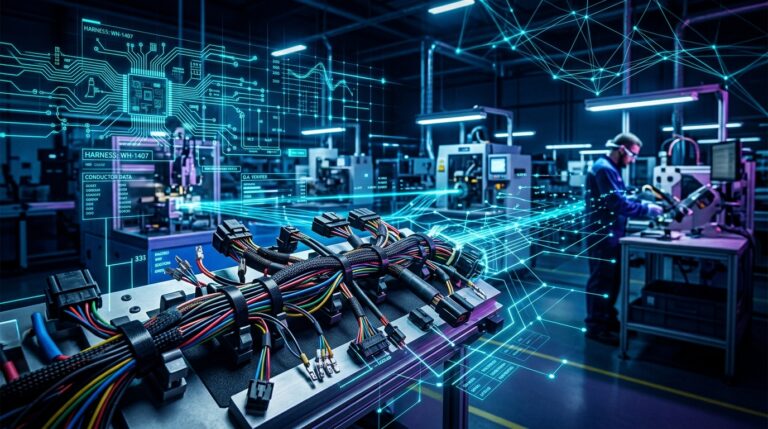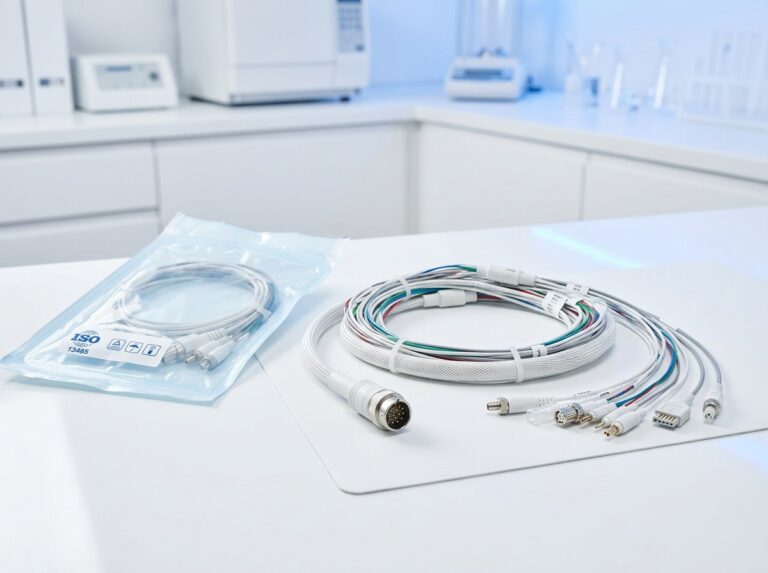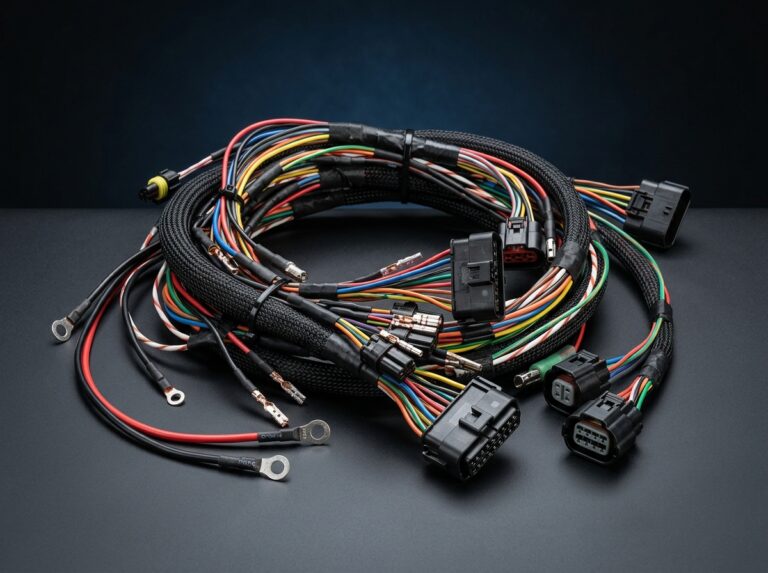
In the early days of manufacturing, standard electrical wiring was often “good enough.” Engineers could use off-the-shelf cables to power simple machinery. However, as technology has rapidly advanced, the demands placed on electrical systems have skyrocketed. Today, custom wiring harnesses are no longer just an option – they are an absolute necessity for modern electrical systems.
From the precise robotics in advanced manufacturing plants to the highly complex powertrains of electric vehicles, custom harnesses are the silent backbone making modern innovation possible. Here is exactly why they are essential.
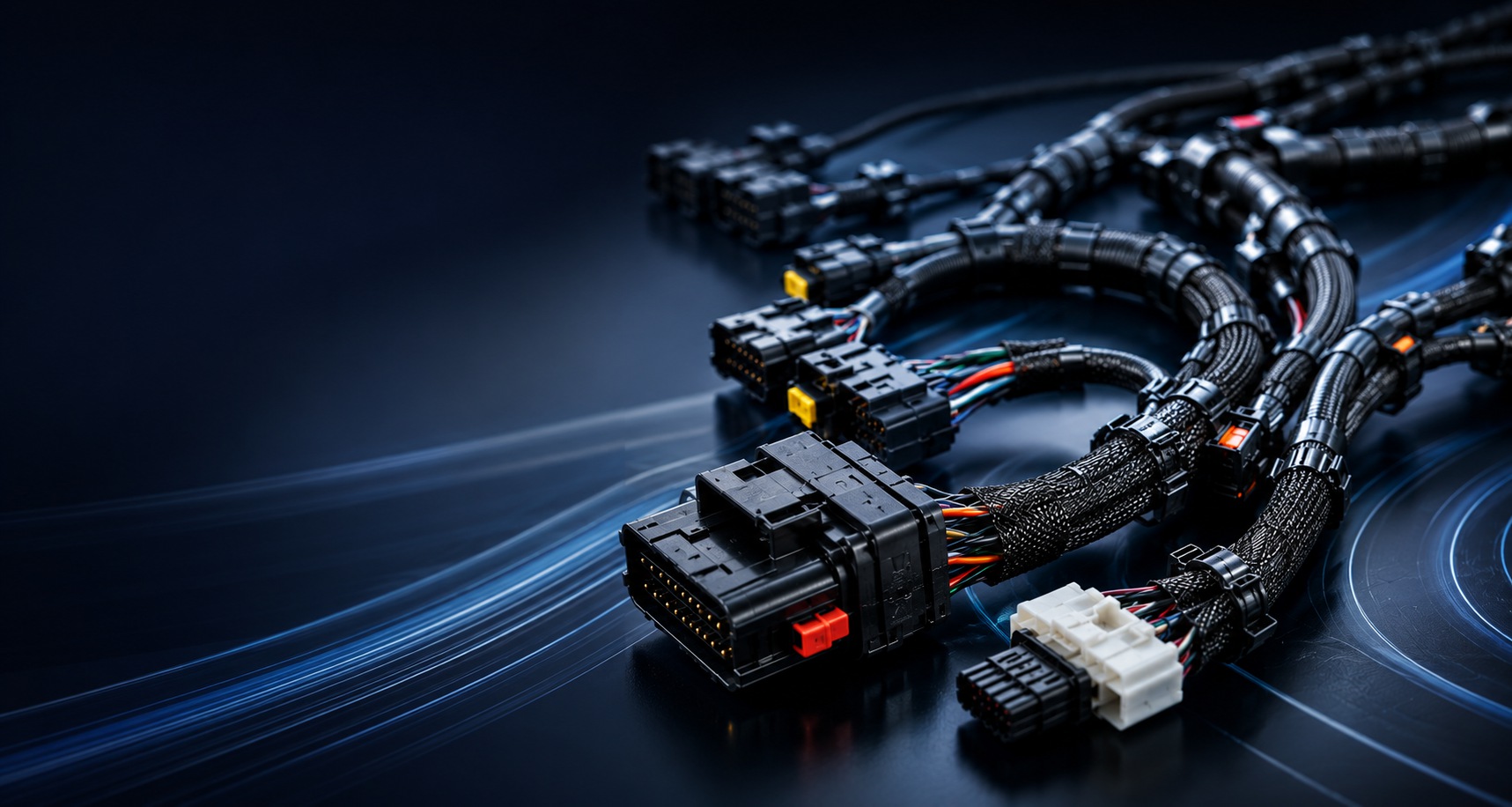
1. Maximizing Space and Reducing Weight
Modern electrical devices are becoming smaller, yet exponentially more powerful. Think about the tight packaging inside an electric vehicle (EV) or a portable medical device. There is simply no room for bulky, standard cable assemblies.
Custom wiring harnesses are engineered to fit precisely into the exact physical dimensions of the specific product. By bundling wires tightly and routing them efficiently around internal chassis components, manufacturers can drastically reduce both the physical footprint and the overall weight of the electrical system. In industries like aerospace and EV manufacturing, reducing weight directly translates to increased fuel efficiency and battery range.
2. Enhancing Reliability and Safety
When you use standard wires running independently throughout a machine, the risk of failure increases exponentially. Loose wires can vibrate against metal edges, leading to chafing, short circuits, and potentially catastrophic fires.
A custom wiring harness mitigates these risks by securing all conductors within a dedicated, protective bundle. Engineers can select specific protective sleeving – such as high-temperature heat shrink or rugged braided loom – based exactly on the environmental threats (like heat, moisture, or chemical exposure) the system will face. This tailored protection guarantees a level of reliability that off-the-shelf wiring simply cannot match.
3. Streamlining the Assembly Line
Time is money in manufacturing. Imagine an assembly line worker trying to route, strip, and connect fifty individual wires inside a machine frame. The potential for human error (like miswiring a critical sensor) is massive, and the process is painfully slow.
Custom wire harnesses act as “plug-and-play” solutions. Because they are pre-assembled, pre-tested, and built with exact branch lengths and connectors, an assembly worker only needs to drop the harness into the machine and click the connectors into place. This drastically reduces installation time and virtually eliminates wiring errors on the production line.
How-To: Determine If You Need a Custom Harness
Not sure if your next project requires a custom engineering approach? Run through this quick checklist:
- Complexity: Does your system require more than just a few point-to-point connections? If you have multiple sensors, relays, and power modules, go custom.
- Environment: Will your product be exposed to extreme vibration, high heat, or moisture? Custom materials are required to ensure longevity.
- Volume: Are you moving from a prototype to mass production? A custom harness will save you thousands of hours in assembly labor.
For related reading, see our article on common causes of wire harness failure and how to prevent them. You can also learn more about our quality control process. These practices are consistent with standards such as ISO 9001.
See what a fully custom-engineered solution looks like in practice with our Custom Automotive Wiring Harness Assemblies.
Frequently Asked Questions
While the initial design and engineering (NRE – Non-Recurring Engineering) costs can be an investment, custom harnesses actually save companies money in the long run by reducing assembly time, minimizing waste, and preventing costly warranty recalls.
The timeline varies based on complexity. A simple design might take a few days to prototype, while a complex automotive harness might take several weeks of CAD modeling, material selection, and rigorous testing.
If you are still weighing your options, be sure to read our detailed guide on understanding the key differences between a wire harness and a cable assembly to make the best choice for your project.