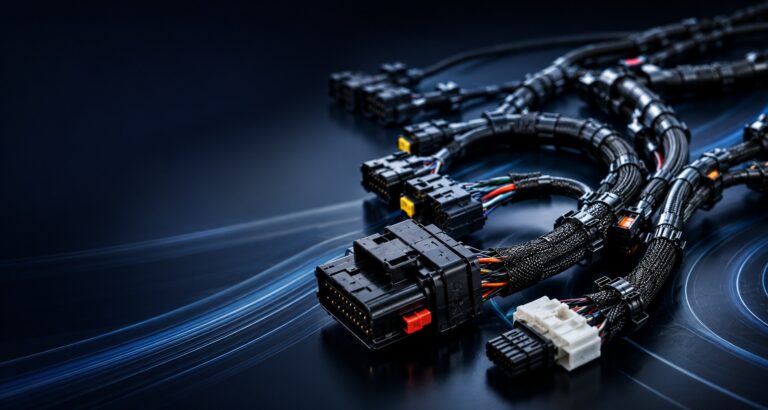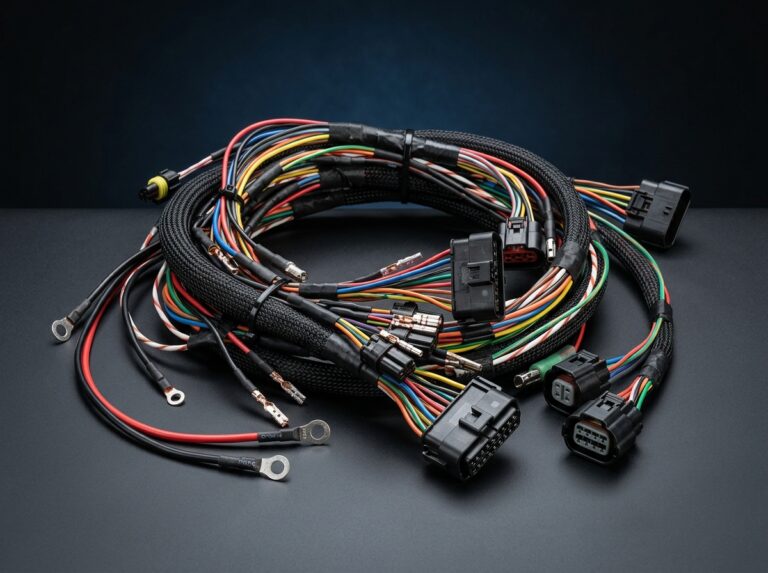
A wiring harness is only as reliable as the sum of its parts. If you try to save a few pennies by using sub-standard plastic or cheap metal alloys, you run the risk of catastrophic electrical failure. The true value of a custom engineering solution lies in selecting the perfect materials used in high-quality wiring harnesses.
Engineers spend countless hours analyzing the specific environmental threats a product will face before choosing the materials. Let us look at the three critical material categories that define a premium harness.
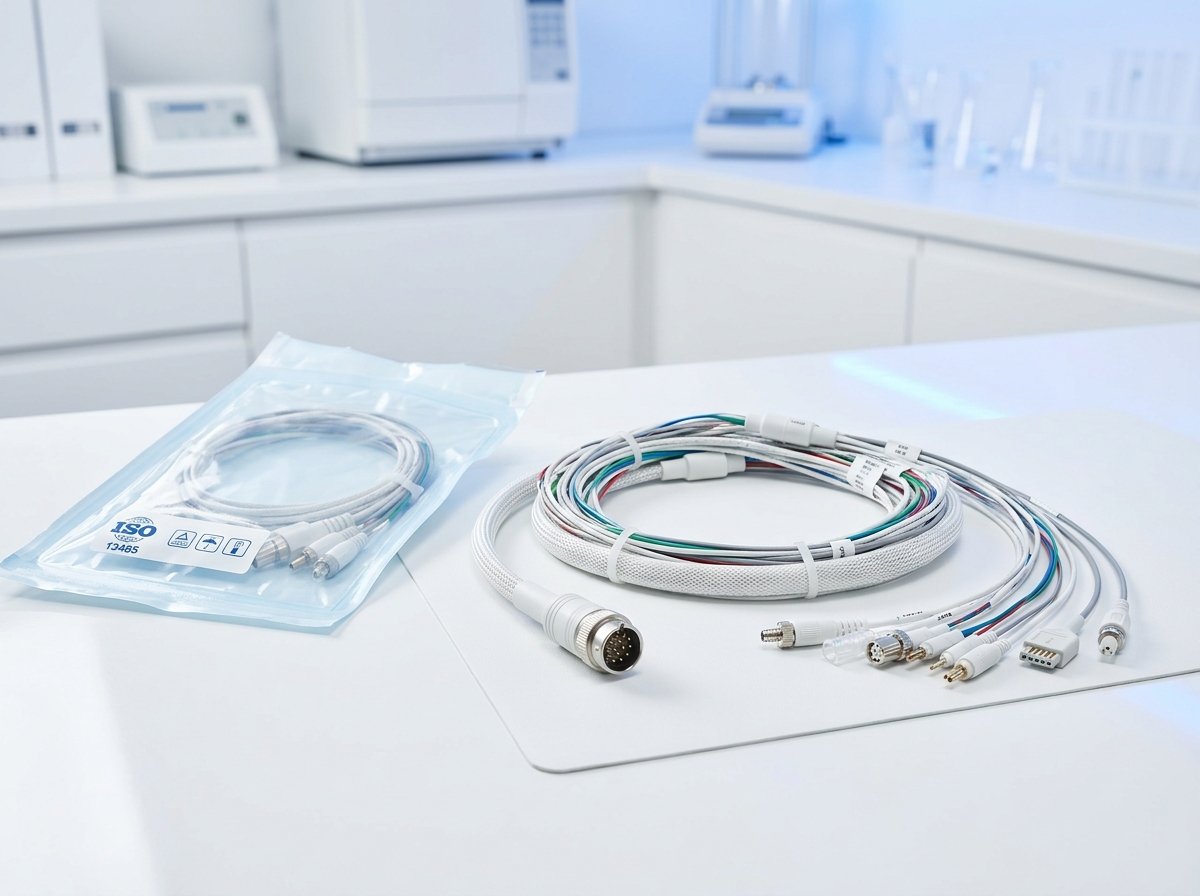
1. Advanced Wire Insulation Materials
While the conductive core of a wire is almost always stranded copper (sometimes tinned for corrosion resistance), the insulation surrounding that copper varies wildly based on the application.
- PVC (Polyvinyl Chloride): The most common and cost-effective insulation. It is flexible and works great for standard indoor consumer electronics where extreme heat is not a factor.
- Teflon (PTFE): Extremely slick and incredibly resistant to high temperatures and harsh chemicals. Teflon insulation is a staple in the aerospace and advanced medical device industries.
- Silicone: Offers unparalleled flexibility, even in freezing temperatures. Silicone-insulated wires are often used in robotic arms where the harness must bend and flex thousands of times a day without cracking.
2. High-Performance Terminal Alloys
The metal terminals that are crimped onto the ends of the wires are the literal connection points of the entire system. Using cheap, highly oxidative metals here will cause electrical resistance to spike over time.
High-quality harnesses utilize premium alloys. Brass and Phosphor Bronze are excellent base metals due to their spring-like qualities (keeping a tight grip inside the connector). To prevent corrosion, these metals are often electroplated. Tin plating is standard for most applications, but for highly sensitive data connections or low-voltage sensors, Gold plating is used because gold does not oxidize, ensuring a perfect connection for decades.
3. Rugged Protective Sheathing
Once the wires are routed, they must be bundled and protected from the outside world. The choice of outer sheathing is critical to the lifespan of the harness.
- Corrugated Split Loom: The classic black plastic tubing you see under the hood of most cars. It provides excellent crush resistance and protects wires from sharp metal edges.
- Braided Expandable Sleeving: Made from materials like Nylon or PET, this lightweight sleeving allows for high flexibility and breathability, preventing moisture buildup.
- Kevlar Braiding: Used in the most extreme environments (like military vehicles or deep-sea equipment), Kevlar provides ultimate tensile strength and abrasion resistance.
How-To: Specify Materials for Your Custom Harness
When working with a wire harness manufacturer, you will need to provide them with the operating parameters of your product so they can select the right materials:
- Define the Temperature Range: Will the harness sit next to a hot engine block or in a frozen industrial freezer?
- Identify Chemical Exposure: Will the harness be exposed to oil, gasoline, cleaning solvents, or salt water?
- Determine Flex Requirements: Is this a static harness (installed once and never moved) or dynamic (constantly bending)?
For related reading, see our article on the impact of extreme cold on wire flexibility and durability. You can also learn more about our manufacturing capabilities. These practices are consistent with standards such as ISO 9001.
For a product line where material selection is held to the highest possible standard, see our AS9100D Aerospace Wiring Harness Assemblies.
Frequently Asked Questions
Significantly. Upgrading from standard PVC insulation to Teflon, and from tin-plated to gold-plated terminals, will drastically increase the material cost. However, for mission-critical applications, the cost of a failure far outweighs the cost of premium materials.
RoHS (Restriction of Hazardous Substances) is a directive that restricts the use of specific dangerous materials found in electrical products, most notably Lead and Cadmium. Any high-quality harness manufacturer today will use 100% RoHS compliant materials.
Yes! A single complex harness might use thick, PVC-insulated wire for main power, and thin, Teflon-insulated, shielded wire for delicate sensor data, all bundled together inside a rugged nylon braid.