The Ultimate Guide to Wire Harnesses in Agricultural Machinery
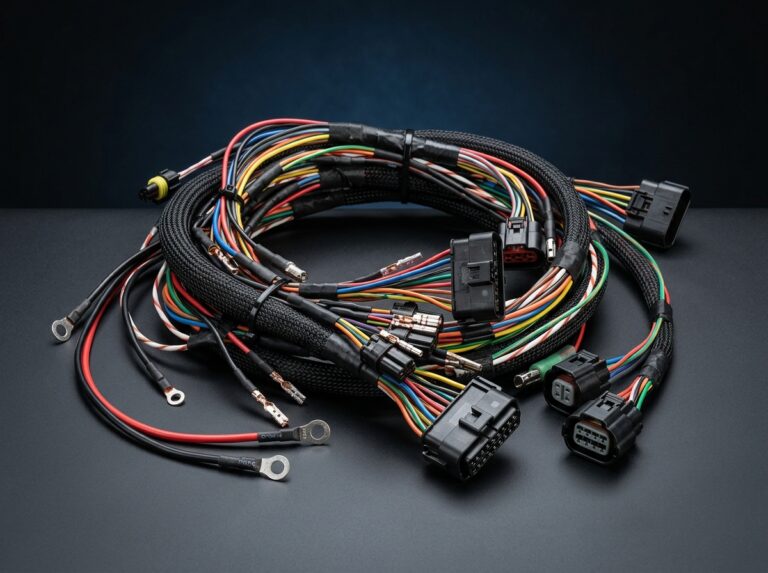
The agricultural industry has undergone a massive transformation in recent decades, evolving from manual labor and simple mechanical tools to highly sophisticated, technology-driven operations. Modern tractors, combine harvesters, seeders, and sprayers are essentially rolling computers, packed with sensors, controllers, and advanced display systems. The critical infrastructure that connects all these electronic components and ensures they work in perfect harmony is the wire harness. In agricultural machinery, the wire harness is the vital link that powers the precision agriculture revolution.
These intricate electrical systems must manage a diverse range of functions, from engine management and transmission control to complex implement steering and yield monitoring. The reliability of the wire harness directly impacts the productivity and efficiency of the farming operation. A single electrical failure during a critical planting or harvesting window can result in significant financial losses, highlighting the immense importance of these seemingly simple components.
Navigating Harsh Agricultural Environments
Agricultural machinery operates in unforgiving environments that pose severe challenges to electrical systems. Wire harnesses in this sector are constantly exposed to dust, dirt, mud, extreme temperature fluctuations, and intense UV radiation. Furthermore, they frequently encounter corrosive chemicals, such as fertilizers, pesticides, and herbicides, which can quickly degrade standard wiring materials.
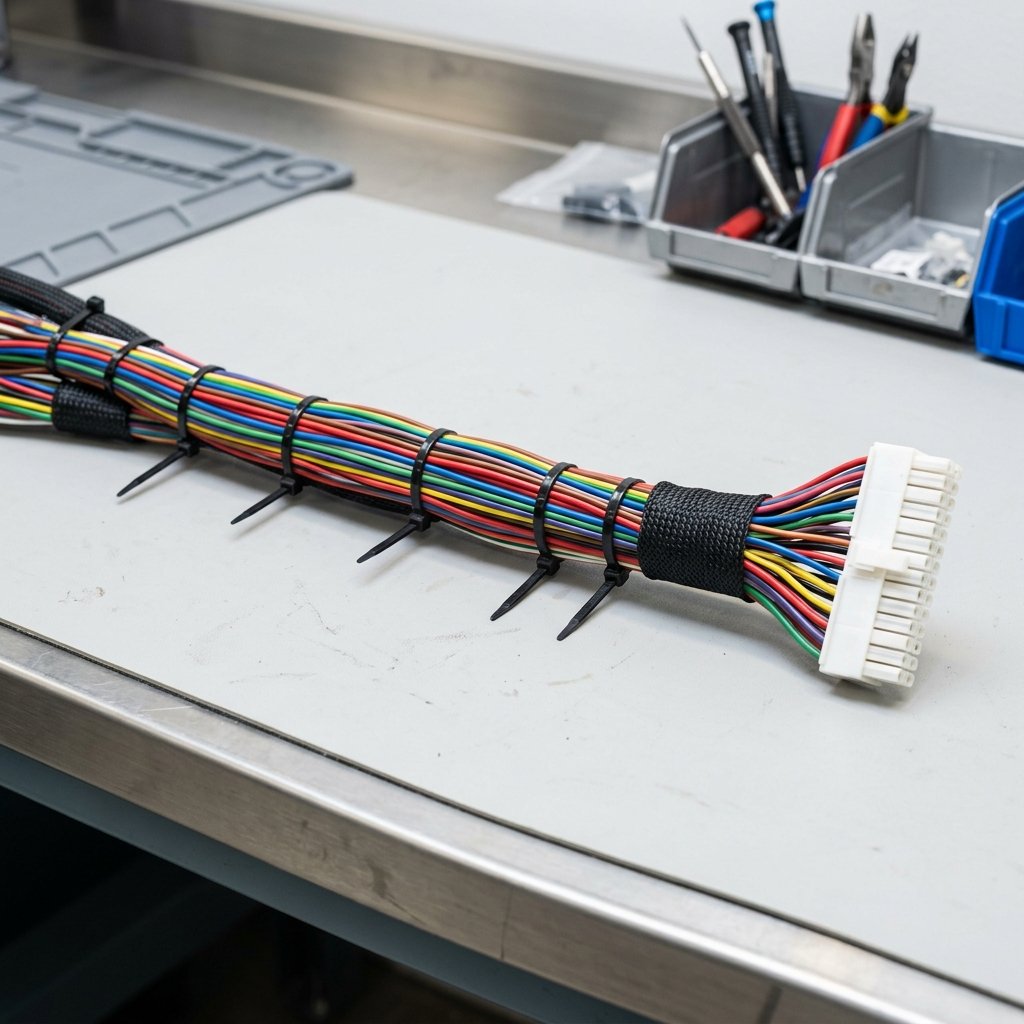
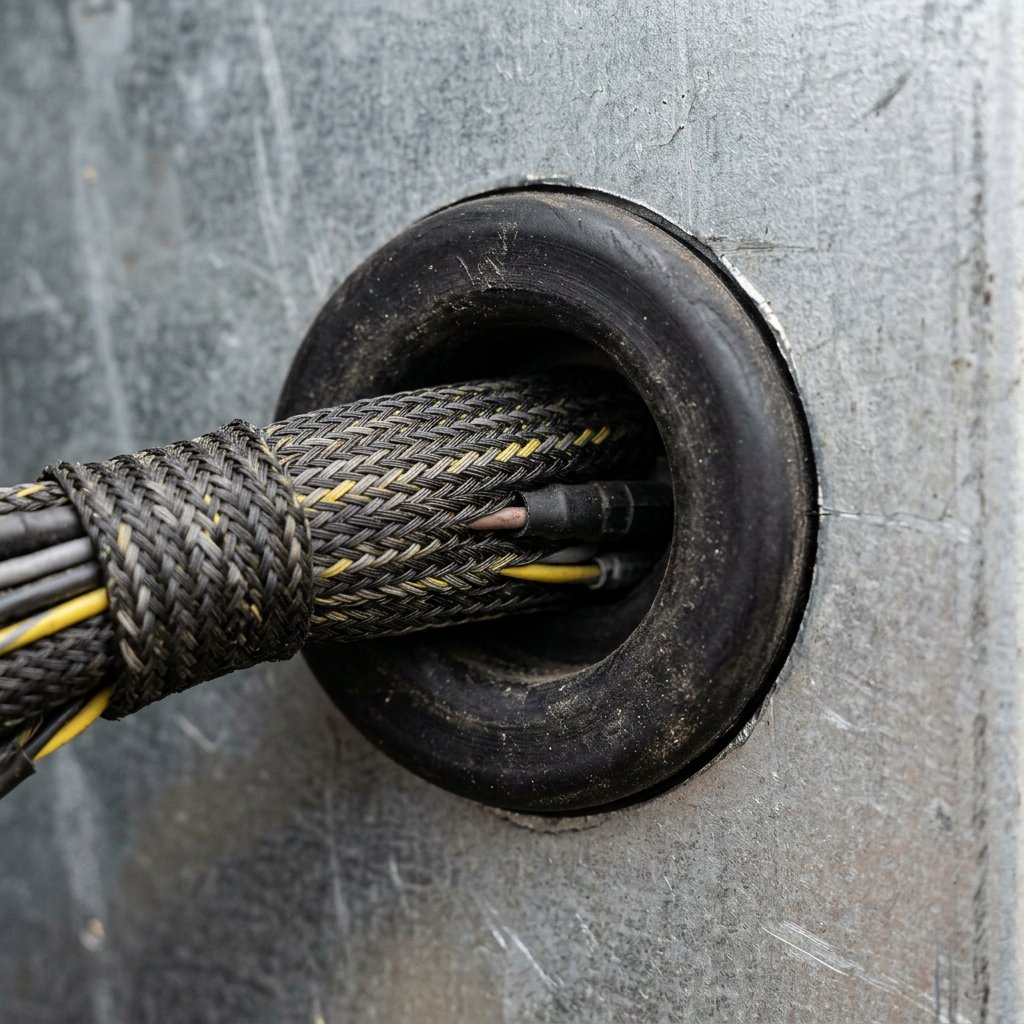
To survive these conditions, agricultural wire harnesses are constructed using highly durable materials. Specialized insulation, such as cross-linked polyethylene (XLPE) or polyurethane (PUR), provides excellent resistance to chemicals, abrasion, and temperature extremes. Connectors must be heavily sealed, typically to IP67 or IP69K standards, to prevent the ingress of moisture and fine particulate matter. Heavy-duty conduit, braided sleeving, and heat-shrink tubing are extensively used to provide mechanical protection against flying debris, crop stubble, and vibration.
Vibration is a particularly significant factor in agricultural applications. Tractors and implements often traverse uneven, deeply rutted fields, subjecting the wiring to constant shaking and jolting. Harnesses must be securely routed and fastened using robust clamps and tie-downs to prevent chafing and fatigue failures at connector termination points.
Enabling Precision Agriculture and ISOBUS
The rise of precision agriculture has fundamentally changed the requirements for agricultural wire harnesses. Today’s machinery relies on GPS guidance systems, auto-steering, variable rate application monitors, and complex sensor networks to optimize crop yields and minimize input costs. The wire harness must facilitate high-speed, reliable data transmission between these various systems.
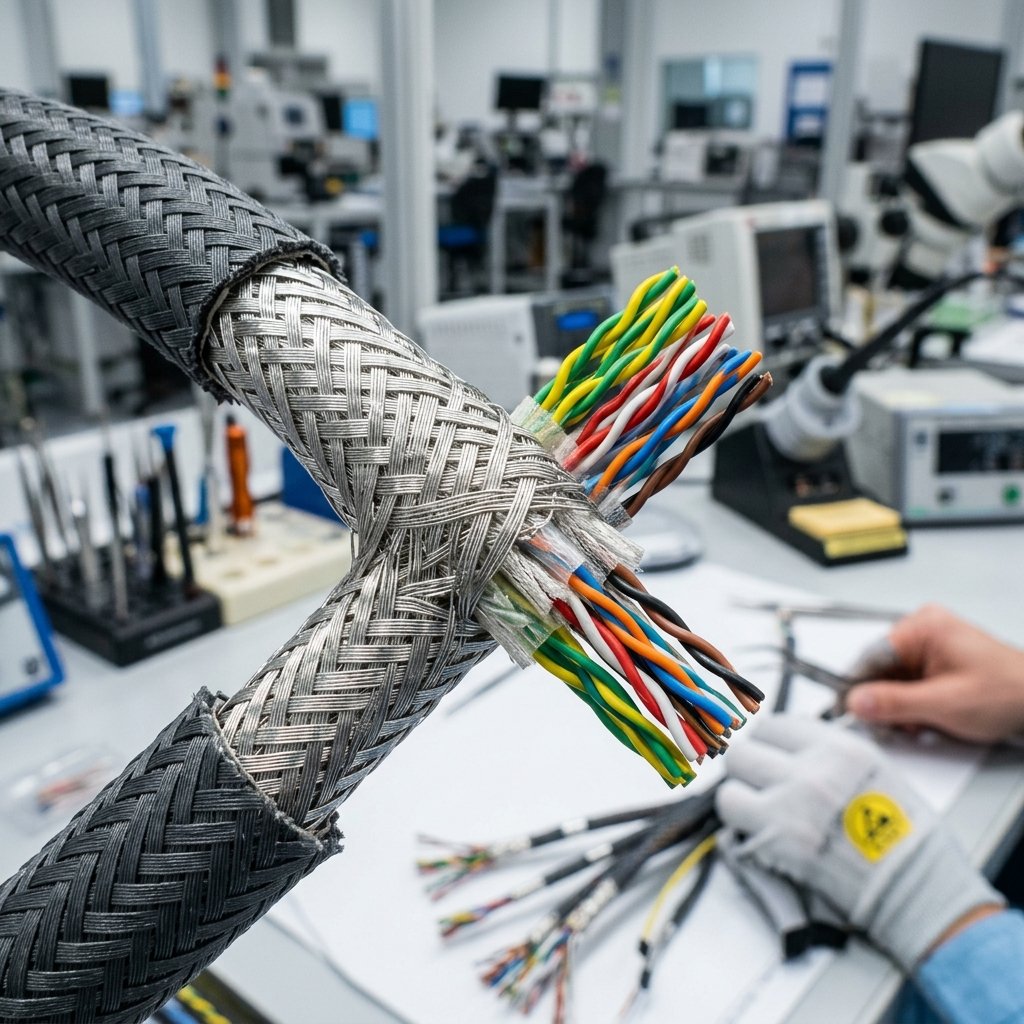
A critical development in this area is the widespread adoption of the ISOBUS standard (ISO 11783). ISOBUS provides a standardized communication protocol that allows tractors and implements from different manufacturers to smoothly “talk” to each other using a single terminal in the cab. The wire harnesses supporting ISOBUS must meet stringent specifications for data integrity, utilizing shielded twisted pair cables to prevent electromagnetic interference (EMI) and signal degradation over long cable runs.
Complexity, Routing, and Integration
The sheer number of electrical circuits in modern agricultural machinery has increased exponentially. A large combine harvester can easily contain miles of wiring and hundreds of connectors. Managing this complexity requires meticulous harness design and routing strategies. 3D CAD modeling is extensively used to optimize the routing paths, ensuring the harness fits perfectly within the limited space available while avoiding moving parts, heat sources, and potential pinch points.
Integration with hydraulic and pneumatic systems is another key consideration. Wire harnesses often control the electro-hydraulic valves that operate implement lifting, folding, and adjustment functions. The seamless integration of electrical and hydraulic controls is essential for the smooth and precise operation of the machinery.
Serviceability and Field Diagnostics
When an equipment breakdown occurs in the field, time is of the essence. Farmers cannot afford extended downtime during critical seasons. Therefore, agricultural wire harnesses must be designed for easy serviceability and rapid diagnostics. This includes utilizing standardized color-coding schemes, clearly labeling wires and connectors, and placing diagnostic ports in easily accessible locations.
Modular harness designs are becoming increasingly popular. By dividing the electrical system into smaller, interconnected sub-harnesses, manufacturers make it easier to isolate faults and replace damaged sections without needing to extract the entire wiring assembly. Advanced diagnostic tools can interface directly with the machine’s CAN bus network via the harness to quickly identify faulty sensors or open circuits.
Safety and Operator Comfort
Beyond performance and reliability, wire harnesses is important in operator safety and comfort. They power essential safety features, such as lighting, turn signals, warning beacons, and backup cameras, ensuring the machinery can be operated safely both in the field and on public roads.
Furthermore, the wire harness powers the advanced climate control systems, infotainment systems, and ergonomic seating adjustments found in modern tractor cabs. These features significantly reduce operator fatigue during long working days, contributing to improved focus, productivity, and overall safety on the farm.
For related reading, see our article on the ultimate guide to wire harnesses in heavy construction (2026). You can also learn more about industrial wire harness solutions. These practices are consistent with standards such as UL certification.
Frequently Asked Questions
The ISOBUS standard ensures that tractors and implements from different manufacturers can communicate smoothly over a universal data network. Wire harnesses must be specifically designed with shielded twisted pair cables to support this standard, preventing signal interference and enabling complex precision agriculture functions.
Yes, we produce ruggedized wire harnesses for industrial, construction, and agricultural machinery, using abrasion-resistant sleeving and vibration-rated connectors suited to harsh operating environments.
Depending on the application, industrial harnesses may need to meet UL recognition or component certification requirements in addition to our core ISO 9001 quality system.