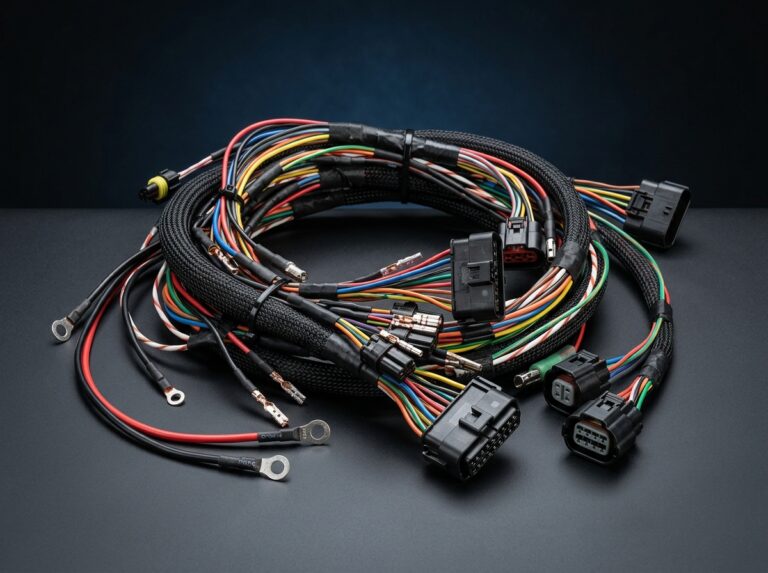
Designing a wire harness from scratch is a complex engineering task that blends electrical theory with brutal physical realities. An electrical engineer might design a circuit that works perfectly on a computer simulation, only to watch the physical harness fail miserably in the field.
Whether you are designing a one-off harness for a custom vehicle or prototyping a massive industrial loom for mass production, failure to account for real-world environmental factors will lead to short circuits, broken wires, and dangerous fires. Here are the most common and critical mistakes to avoid when designing a custom wire harness.
1. Ignoring Strain Relief
The number one most frequent point of failure in any wire harness is the exact point where the wire enters a connector or a splice. When a heavy, thick bundle of wire vibrates, that vibration travels down the cable and stops abruptly at the rigid plastic connector.
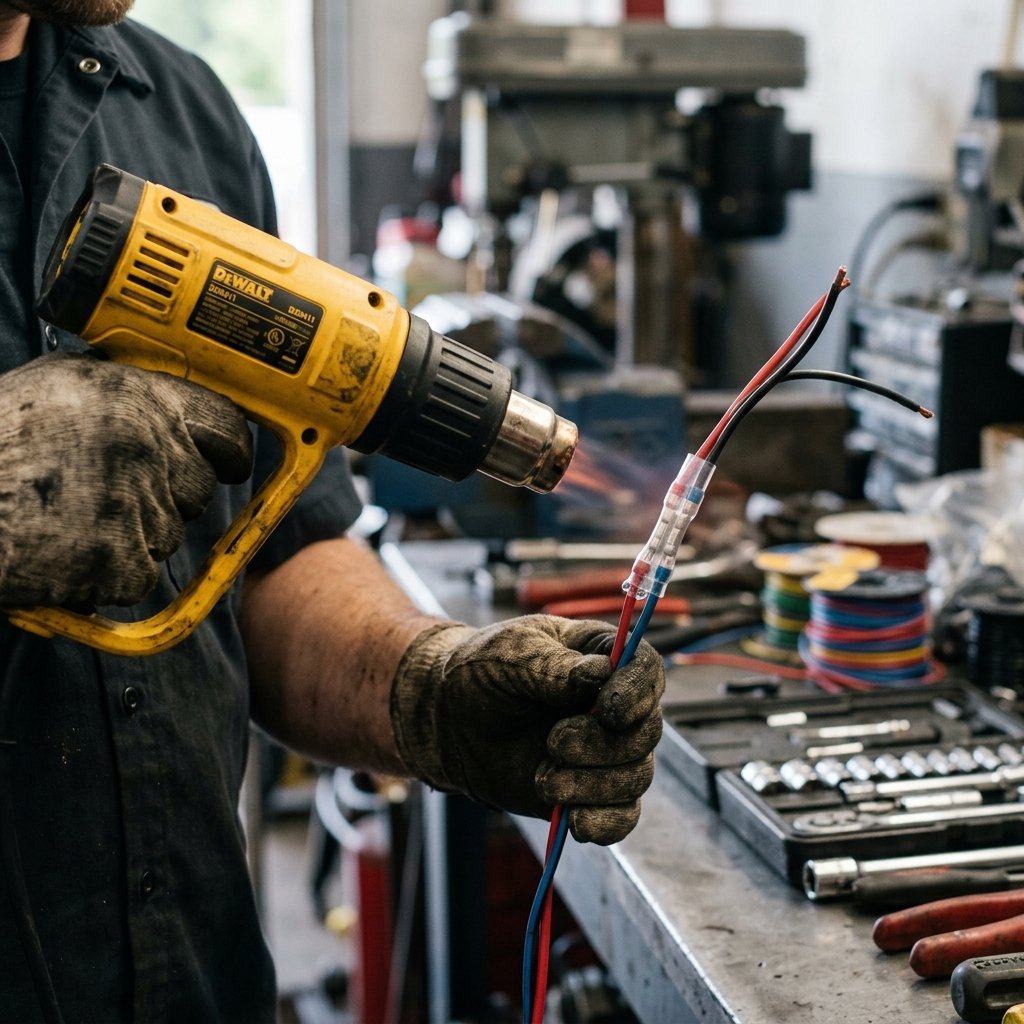
If you fail to incorporate proper strain relief, the delicate, tiny metal crimp terminals inside the connector will bear the full weight and violent vibration of the entire cable. Over time, the copper strands will fatigue and snap right at the crimp. Always use molded strain relief boots, heavy-duty heat shrink, or secure the wire bundle to a solid chassis point using an anchored zip-tie just an inch behind the connector.
2. Designing with Zero Slack
It is tempting to design a “perfect” harness that is exactly the precise millimeter length required to reach from point A to point B. This is a massive mistake.
In the real world, components shift, engines rock violently on their rubber mounts, and technicians need room to physically grab the connector and pull it apart for maintenance. If a harness is pulled drum-tight like a guitar string, any movement of the chassis will immediately rip the wires out of their terminals. Always design in a “service loop” – a small, intentional amount of slack (usually an extra 2 to 4 inches) near major termination points.
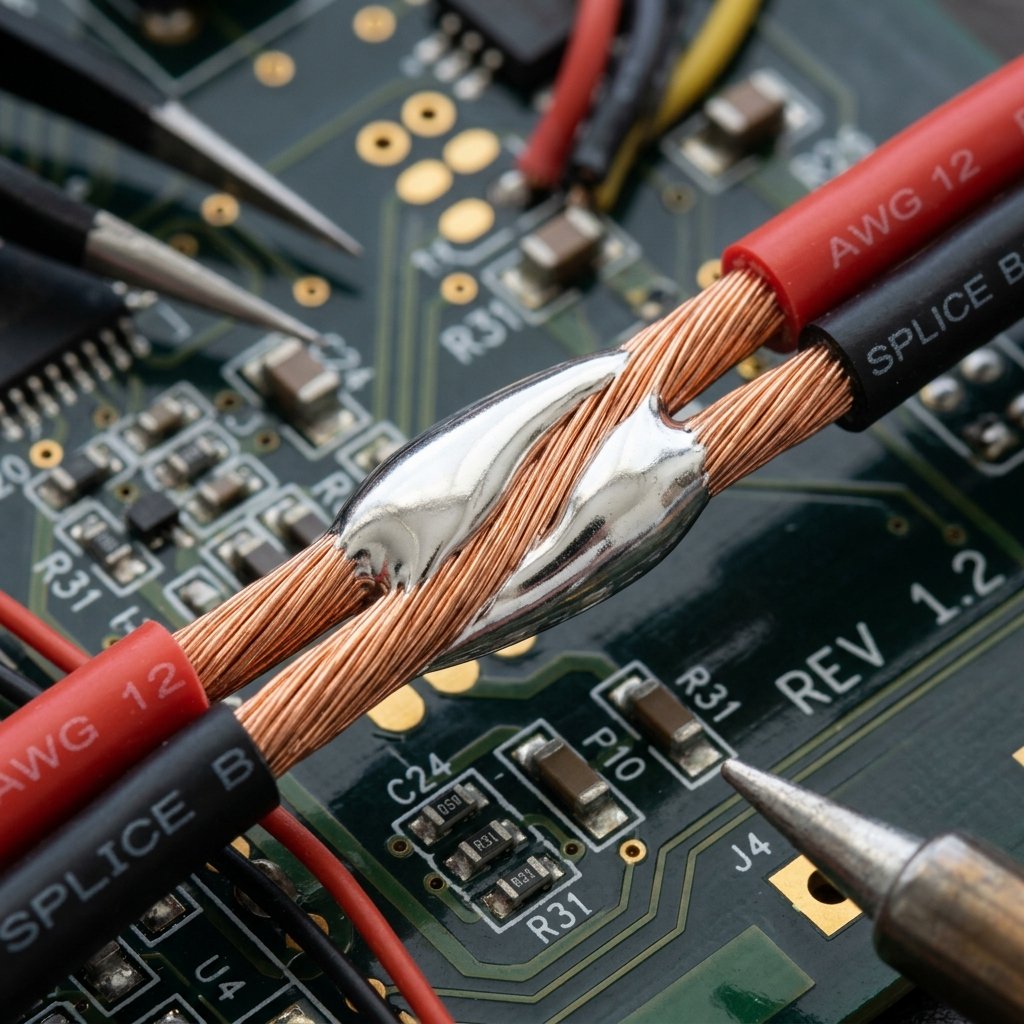
3. Under-sizing Power and Ground Wires
Many novice designers calculate the exact amperage a component will draw and then select the absolute minimum wire gauge required to handle it, hoping to save money and weight. This leaves zero margin for error.
If a motor stalls or a pump works harder than expected, it will pull more current. If the wire is undersized, it will act as a resistor, causing a severe voltage drop to the component and generating massive amounts of heat along the wire. Over time, this heat cooks the insulation until it crumbles, leading to a fire. Always over-engineer your power delivery circuits by stepping up at least one AWG size larger than the mathematical minimum. Furthermore, never under-size your ground wires! The ground wire carries exactly the same amount of current as the positive wire; it must be equally thick.
4. Failing to Protect Against the Environment
A bare wire bundle might look neat on a workbench, but once installed in a machine, it faces a hostile world. Failing to specify the correct outer protective loom is a fatal design flaw.
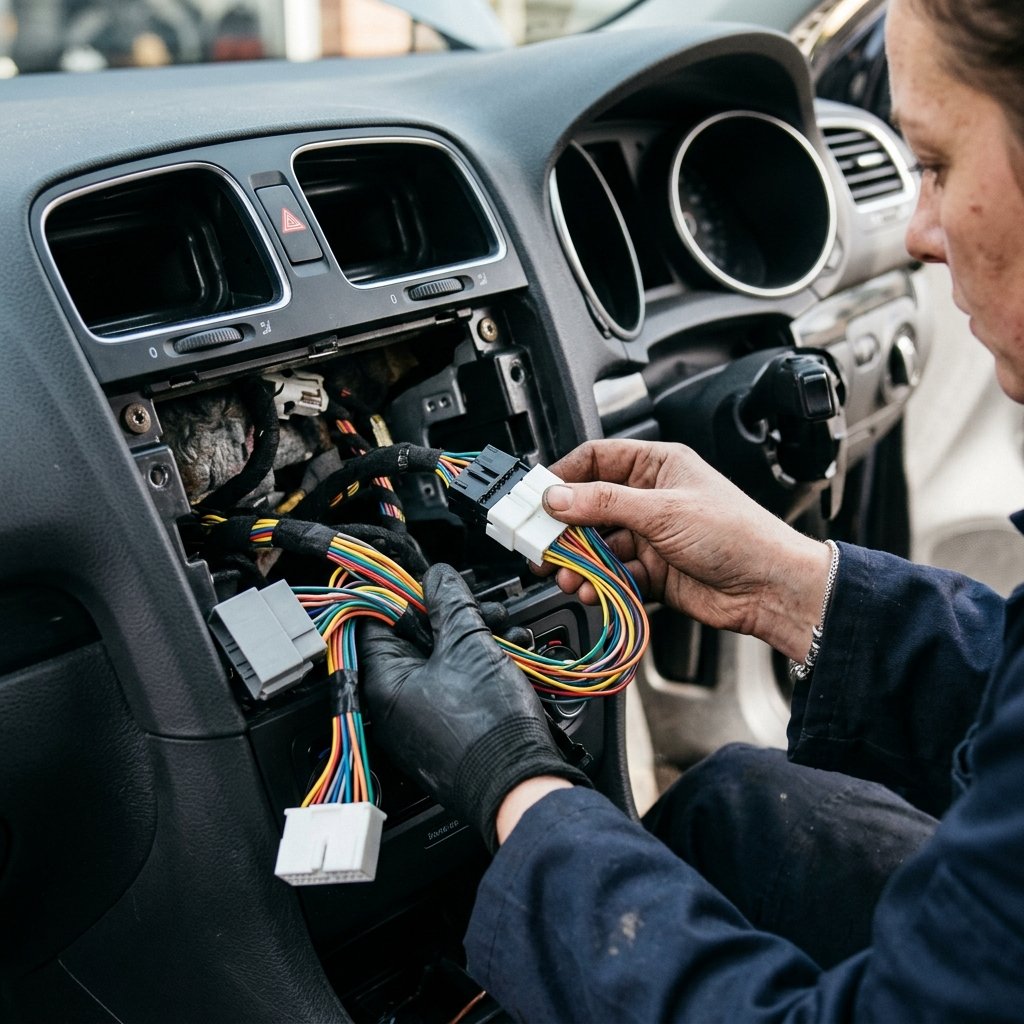
If the harness runs near sharp sheet metal, you must specify thick corrugated split loom or braided sleeving. If it runs near an exhaust pipe, you must specify reflective aluminum heat shielding. If it operates outdoors, the connectors must be IP67 waterproof rated. A beautifully crimped harness will die in hours if you route it unprotected across a vibrating metal edge.
For related reading, see our article on the impact of extreme cold on wire harness flexibility. You can also learn more about our custom wire harness products. These practices are consistent with standards such as ISO 9001.
Frequently Asked Questions
No! This is a massive misconception. In environments with heavy vibration (like automotive or industrial machinery), solder is actually dangerous. Solder wicks up the wire strands, turning the flexible copper into a rigid, brittle solid. Under vibration, this rigid joint will snap. Proper, high-pressure mechanical crimping is the OEM standard for vibration resistance.
It is highly discouraged. High-amperage power wires generate large electromagnetic fields. If you run delicate, low-voltage sensor wires (like CAN-bus or analog sensors) directly parallel and tightly bundled with power wires, the sensor wires will pick up massive amounts of electromagnetic interference (EMI), causing your computer to read false data.
If a wire harness runs vertically down an outdoor machine and plugs straight into the top of a control box, rainwater will run down the wire directly into the connector seal. A drip loop is a deliberate U-shape routed into the wire just before the connector, forcing the water to drip off the bottom of the loop instead of entering the component.