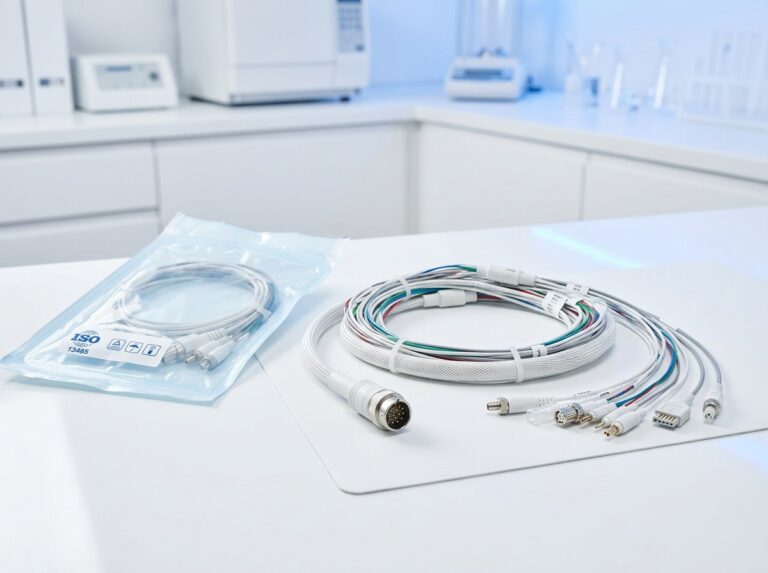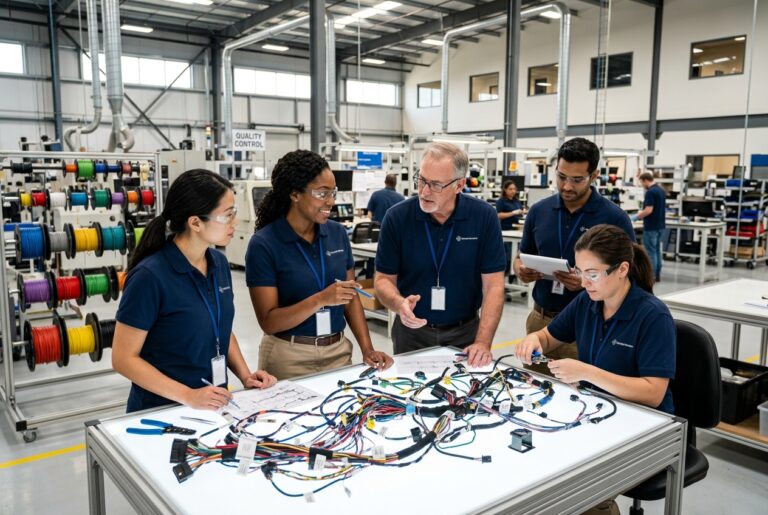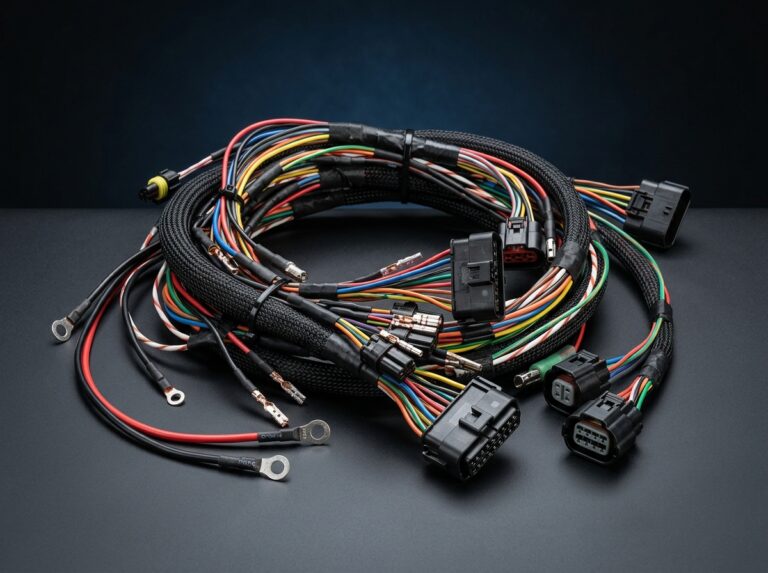
In today’s highly connected world, complex electrical systems power everything from the car you drive to the medical equipment in hospitals. But have you ever wondered how all those electrical cables and wires are organized? This is where a wiring harness comes into play.
A wiring harness, also known as a wire harness, cable harness, or wiring assembly, is a vital component that brings order to electrical chaos. This guide will explain exactly what a wiring harness is, how it works, and why it is absolutely indispensable in modern manufacturing.
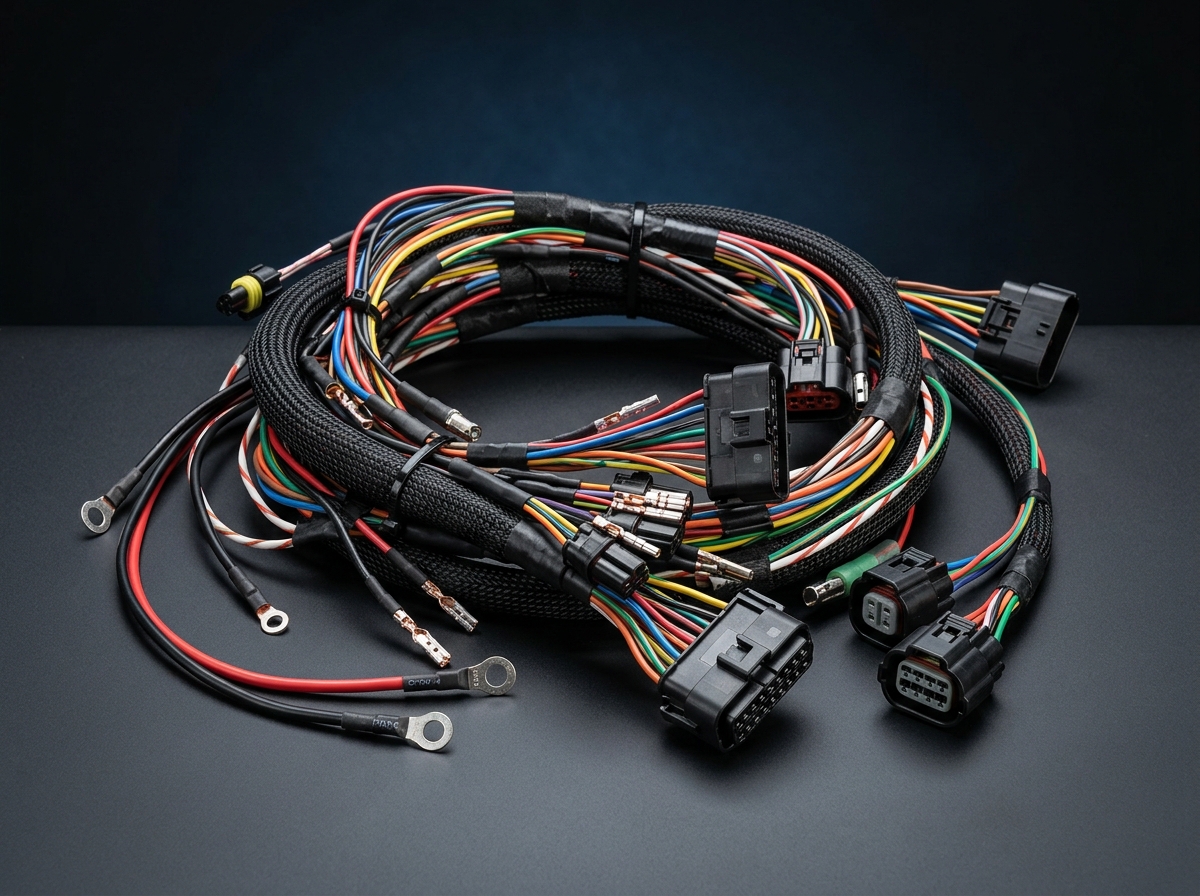
What Exactly is a Wiring Harness?
At its core, a wiring harness is an organized set of wires, cables, and connectors that safely transmit electrical power or informational signals throughout a device. Instead of having dozens of individual wires running haphazardly, these wires are bound together by a durable exterior sheath – such as rubber, vinyl, electrical tape, or extruded string.
By bundling these components together, engineers can protect the wires from adverse conditions like vibration, moisture, and abrasion, while also making installation significantly easier and more efficient.
Wire Harness vs. Cable Assembly: What’s the Difference?
People often use the terms interchangeably, but there is a distinct difference. A cable assembly typically involves multiple wires encased in a single, heavy-duty outer sheath, designed for extreme environments (like outdoor or underwater applications). A wire harness, however, usually has multiple individual breakouts and connectors along its length, designed primarily for internal routing within machinery or vehicles.
If you’re interested in exploring this further, check out our upcoming detailed breakdown on understanding the key differences between a wire harness and a cable assembly.
How Does a Wiring Harness Work?
A wiring harness works essentially as the “central nervous system” of a machine. It connects various electrical components, allowing power and data to flow precisely where they are needed without interference or signal loss.
Core Components of a Harness
To fully understand how it works, you need to look at its fundamental parts:
- Wires and Cables: The conductive pathways (usually copper) that carry the current or data.
- Connectors: The engineered plug-and-socket mechanisms that securely join different parts of the circuit.
- Terminals: Metal components that are crimped or soldered to the ends of the wires to secure them into the connectors.
- Protective Sleeving: Materials like heat shrink tubing or split loom that wrap the bundle, protecting against environmental and mechanical damage.
(Read more in our guide: The fundamental components that make up a basic wire harness)
How-To: The Basic Wire Harness Manufacturing Process
Creating a reliable wire harness requires extreme precision and engineering expertise. Here is a simplified overview of how custom wire harnesses are typically made:
- Design and Prototyping: Engineers map out the exact routing, wire lengths, and connector types needed for the specific application.
- Cutting and Stripping: Automated machines cut wires to the precise length and strip the insulation off the ends.
- Crimping: Terminals are mechanically crimped onto the exposed wire strands to ensure a solid electrical connection.
- Assembly: Workers lay out the wires on an assembly board (often called a pin board), routing them exactly according to the schematic.
- Bundling: The wires are bound together securely using zip ties, tape, or protective sleeving.
- Quality Testing: Every single harness undergoes rigorous electrical testing to ensure zero defects before it leaves the factory.
Applications Across Modern Industries
While originally popularized by the automotive industry to organize complex vehicle electronics, wire harnesses are now everywhere. You will find them inside aerospace electronics, complex medical devices, industrial machinery, and consumer electronics.
- Related reading: Learn more about wire gauge
For related reading, see our article on understanding the key differences between a wire harness and a cable assembly. You can also learn more about our quality control process. These practices are consistent with standards such as ISO 9001.
If you’re evaluating a supplier for your next harness build, see how these fundamentals come together in our Custom Automotive Wiring Harness Assemblies.
Frequently Asked Questions
Using a wire harness drastically reduces installation time on the assembly line, prevents complex wiring errors, saves crucial space, and protects the wires from wear and tear, resulting in a much safer and more reliable final product.
While there are standard harnesses available for very common, simple applications, the vast majority of industrial, medical, and automotive wiring harnesses are 100% custom-designed to fit the exact spatial constraints and electrical requirements of a specific project.
With proper engineering design and high-quality materials, a wire harness can easily outlast the equipment it is installed in. However, factors like extreme heat, chemical exposure, or continuous physical vibration can shorten its lifespan. This is why choosing the right protective materials during the design phase is absolutely crucial.