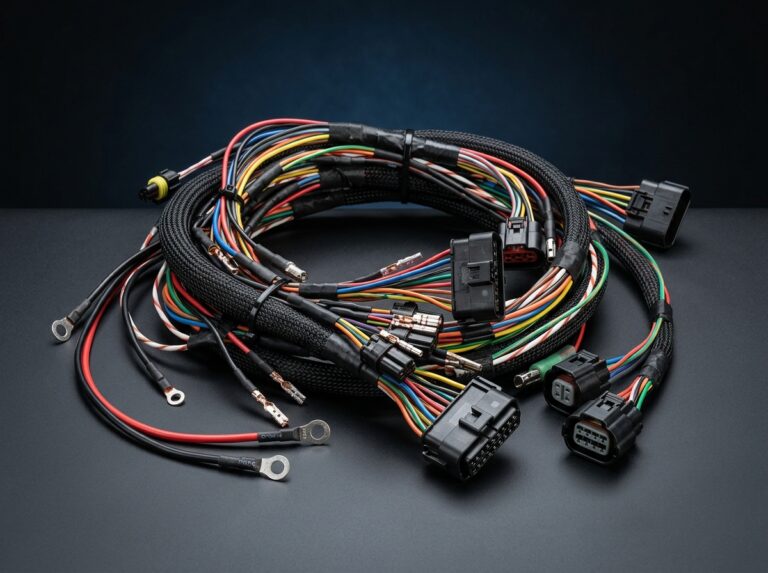
In modern electrical systems, vehicles and machines are packed with high-power motors, alternators, and ignition coils. These devices act like radio transmitters, blasting invisible “noise” called Electromagnetic Interference (EMI) into the air. If this noise hits a wire carrying a delicate sensor signal, it can corrupt the data and cause catastrophic system failures. Understanding the benefits of twisted pair wiring in reducing electromagnetic interference is crucial for any harness designer.
The Magic of Twisting
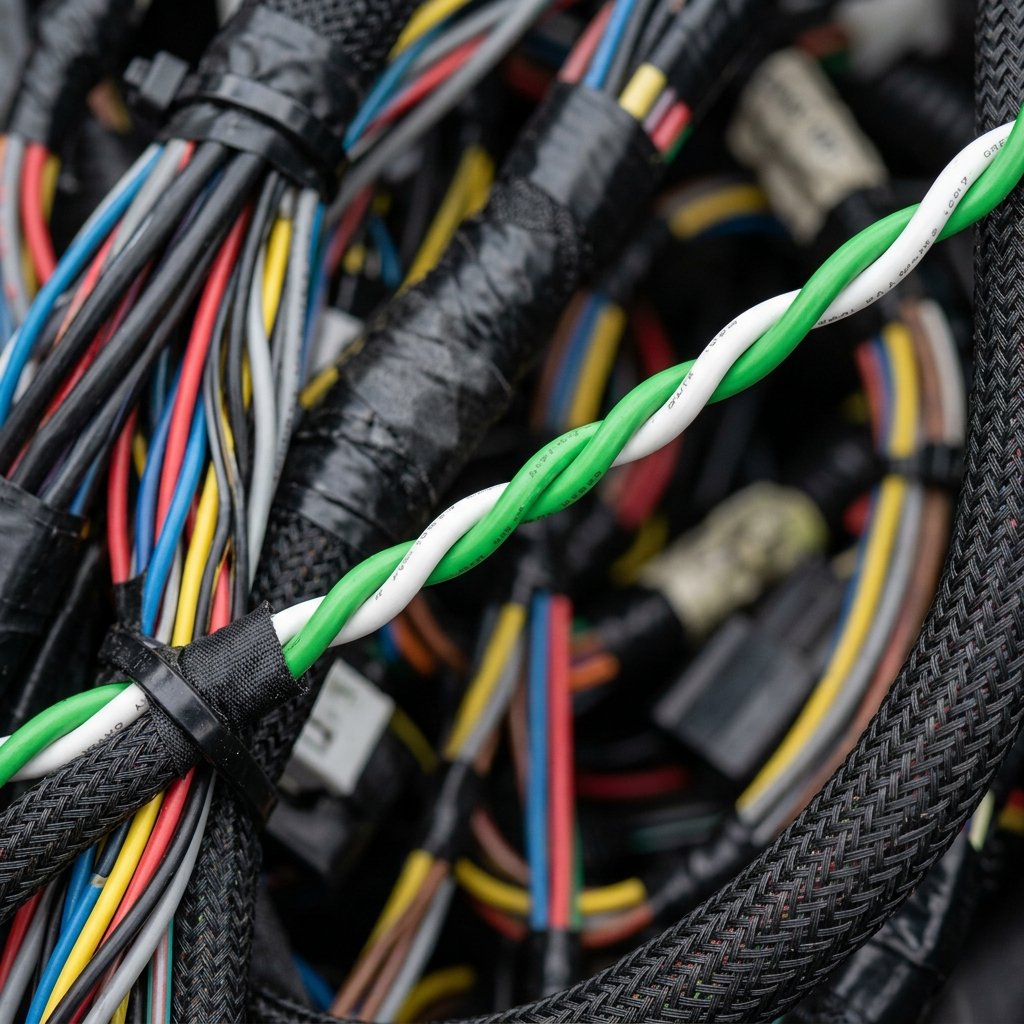
To fight EMI without adding heavy, expensive metal shielding, engineers use a brilliantly simple physical trick: they twist the signal wire and its ground wire tightly around each other. This creates a “Twisted Pair.”
Because the two wires are twisted, they are exposed to the exact same external EMI noise in alternating loops. When the noise hits one twist, it induces a positive voltage spike. When it hits the next twist (where the wires have swapped positions), it induces an equal but opposite negative voltage spike. These opposing spikes mathematically cancel each other out, leaving the original data signal perfectly clean.
Shielding vs. Twisting
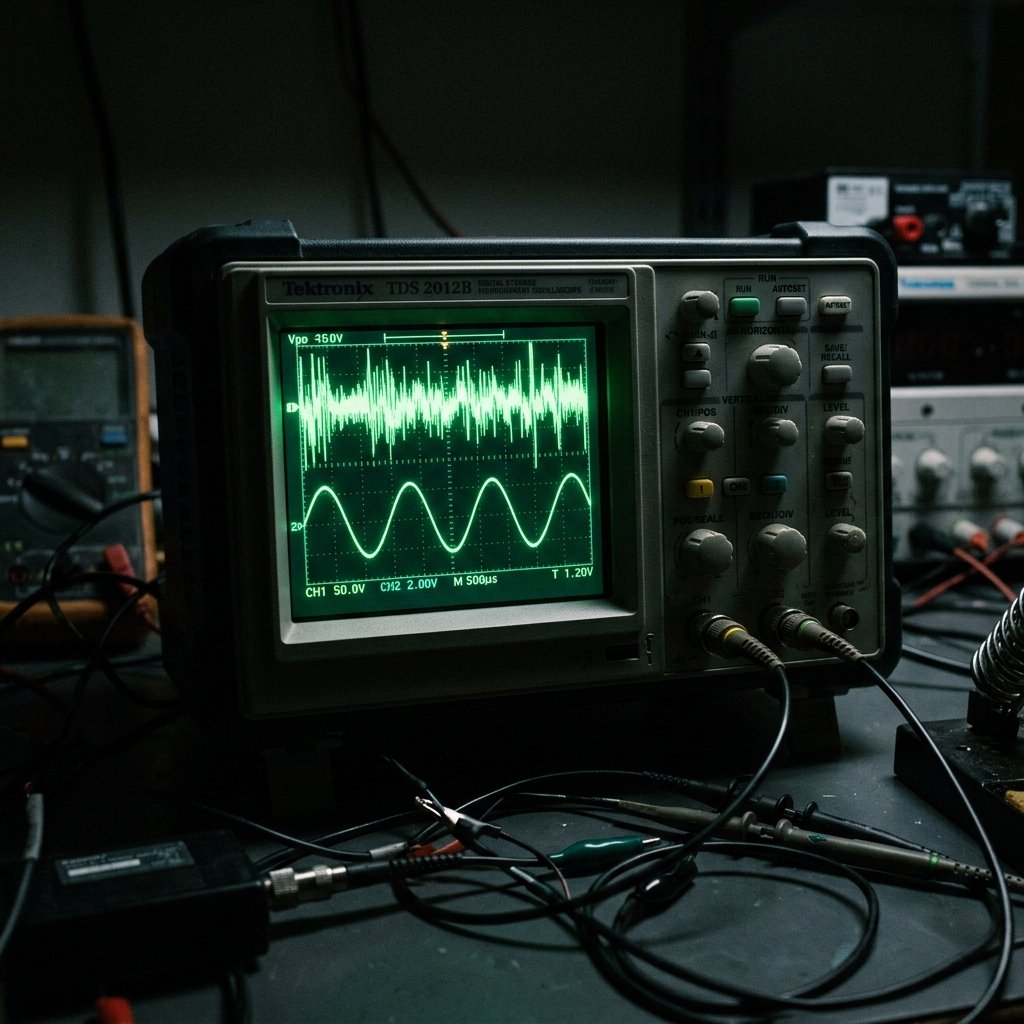
While twisting eliminates magnetic interference, it doesn’t completely block electrical interference. For critical applications (like aerospace or military), you must use both. The twisted pairs are wrapped in a braided metal shield (often made of tinned copper), which acts like a Faraday cage to reflect external noise away.
How-To: Implement Twisted Pairs
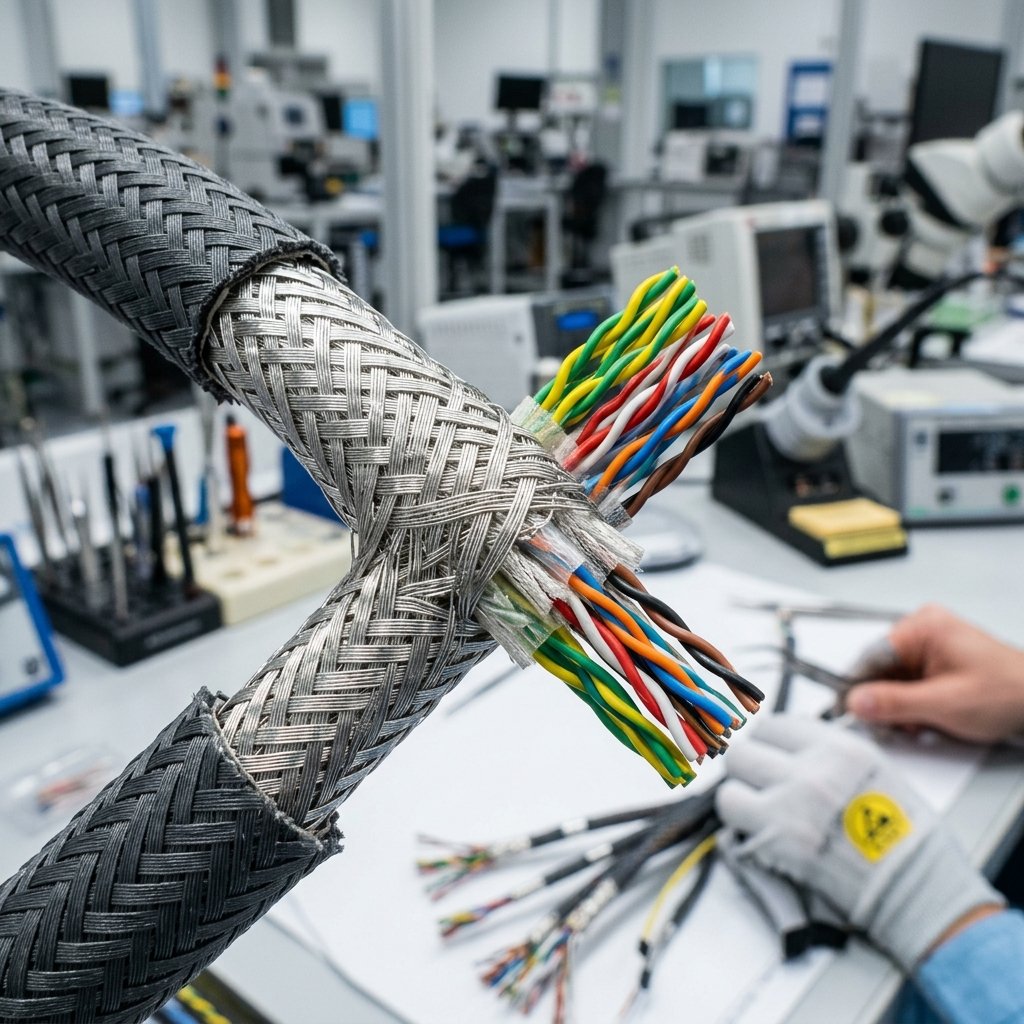
If you are building a harness and need to protect a delicate signal (like a CAN bus network or a crank position sensor), follow these steps:
- Select the Pair: Identify the signal wire and its dedicated return (ground) wire. You cannot twist a signal wire with a random power wire; they must be a pair.
- Calculate the Twist Rate: The standard for automotive data networks is typically 1 to 2 twists per inch (or 33 to 50 twists per meter).
- Maintain the Twist: When pinning the wires into a connector, you must maintain the twist as close to the metal terminal as physically possible. If you leave a 3-inch gap of untwisted wire at the connector, EMI will enter the circuit right there.
Twisted pair wiring works by canceling out electromagnetic interference through geometry rather than shielding material. Because the two conductors are twisted together, any external interference induces a roughly equal and opposite voltage in each wire, and this common-mode noise cancels out when the receiving circuit reads the difference between the two signals. The tighter the twist rate (measured in twists per foot or per meter), the higher the frequency of interference it can reject, which is why higher-speed data lines typically specify a tighter twist than lower-speed signal wires.
For related reading, see our article on exploring different types of wire routing and bundling methods. You can also learn more about our custom wire harness products. These practices are consistent with standards such as ISO 9001.
Twisted-pair construction is one of several EMI-reduction techniques we apply in compact builds like our Smart Home & IoT Device Interconnect Cabling.
Frequently Asked Questions
Yes, for low-volume prototypes, chucking two wires into a hand drill and slowly pulling the trigger while maintaining tension is a standard industry practice to create custom twisted pairs.
No. Standard braided sleeving is made of plastic (PET) and only provides mechanical abrasion resistance. To block EMI, the shield must be made of conductive metal and it must be properly grounded.
Because twisting uses more physical wire (adding weight and cost), and it is completely unnecessary for high-power circuits. Headlights and windshield wipers do not care about tiny EMI voltage spikes; only delicate electronic devices and sensors do.