In the modern world of complex electronics, signals need to travel cleanly from one point to another without corruption. However, electrical environments are incredibly noisy. Without proper protection, data signals can be corrupted by invisible forces. This is where understanding the role of shielding in wire harnesses becomes critical.
The Enemy: Electromagnetic Interference (EMI)
Whenever an electrical current flows through a wire, it generates an electromagnetic field. When multiple wires are bundled together in a tight space, these fields can interfere with one another – a phenomenon known as crosstalk. Furthermore, external sources like electric motors, alternators, or radio transmitters can introduce Electromagnetic Interference (EMI) into the wiring harness.
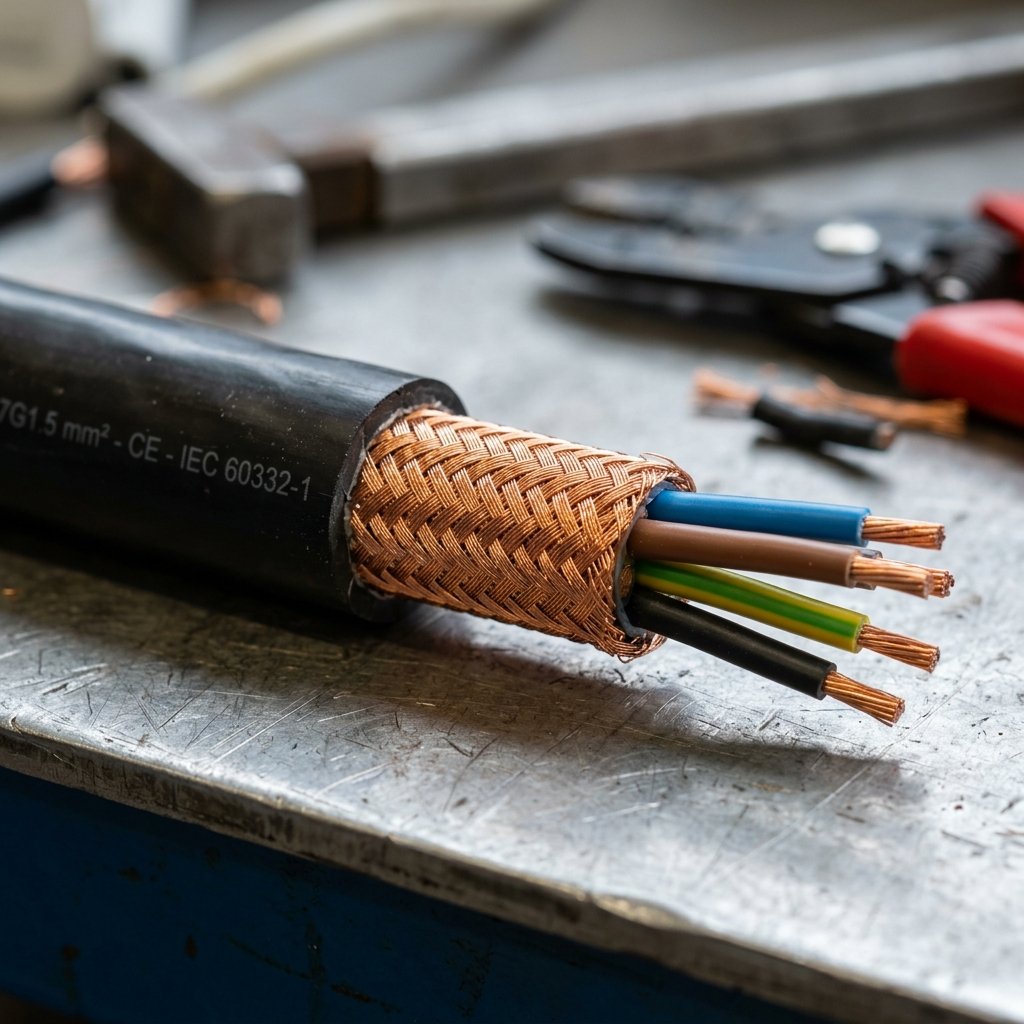
If a sensitive data line (such as a sensor signal to an engine control unit) absorbs this EMI, the signal becomes noisy and distorted. This can lead to erratic device behavior or complete system failure. While twisted pair wiring is an excellent defense against certain types of magnetic interference, it often isn’t enough on its own in high-noise environments.
How Shielding Works
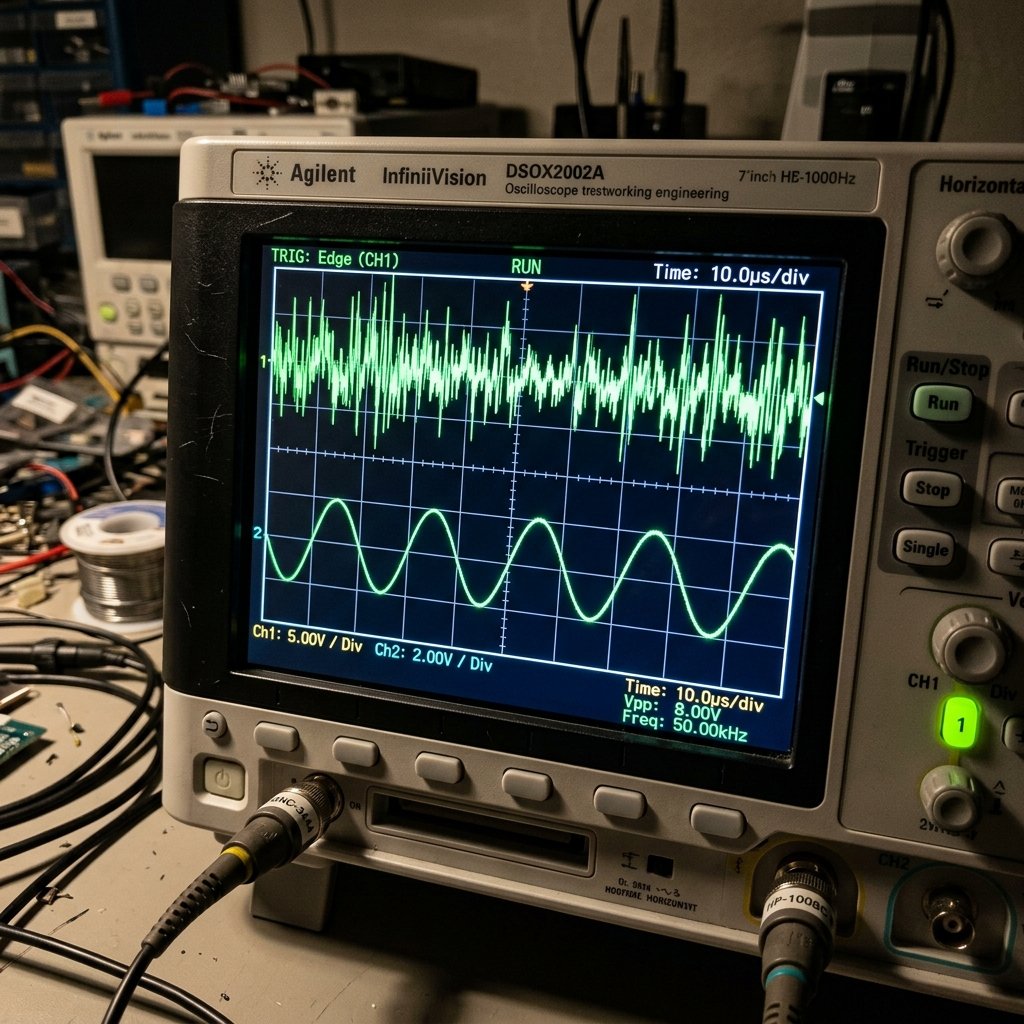
Electrical shielding acts as a Faraday cage around the sensitive inner conductors. It is typically made from a conductive material like braided copper wire, aluminum foil, or conductive polymer.
When external EMI strikes the cable, the shield intercepts the electromagnetic waves. Because the shield is highly conductive, it absorbs the interference and safely channels it to the ground via the connectors and terminals before it can reach the inner data wires.
Common Types of Shielding
- Foil Shielding: A thin layer of aluminum laminated to a polyester backing. It provides 100% coverage against high-frequency EMI but is mechanically fragile and can tear with repeated flexing.
- Braided Shielding: A woven mesh of bare or tinned copper wires. It provides excellent structural integrity and flexibility, making it ideal for harnesses that move or vibrate. However, it only provides 70% to 90% coverage due to tiny gaps in the braid.
- Combination Shielding: High-end harnesses, particularly in aerospace or electric vehicles, use both foil and braided shielding together to get the best of both worlds – 100% coverage and high durability.
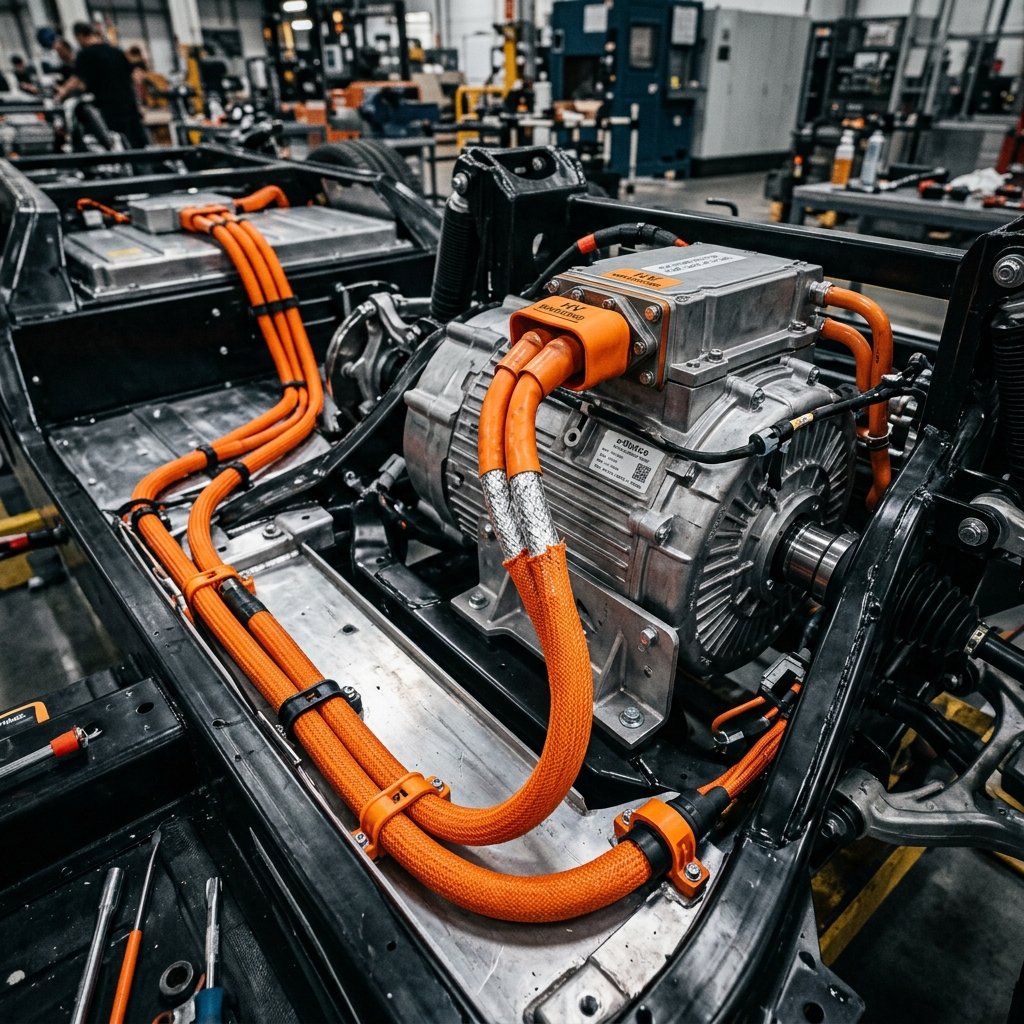
Not all shielding is created equal, and the right choice depends on the frequency and type of interference being addressed. Braided copper shielding offers good flexibility and broadband coverage but leaves small gaps at the weave that can let high-frequency noise through, while foil shielding provides more complete coverage against high-frequency interference but is more prone to fatigue cracking in flexing applications. Many demanding automotive and aerospace harnesses use a combination of foil and braid, sometimes called a Multi-Foil (MF) or foil-braid-foil (FBF) construction, to get the benefits of both approaches.
For related reading, see our article on the future of wire harness manufacturing. You can also learn more about our manufacturing capabilities. These practices are consistent with standards such as ISO 9001.
Frequently Asked Questions
No. Simple power circuits (like running a headlight) generally do not require shielding because they operate at high voltages and are not sensitive to minor electrical noise. Shielding is usually reserved for low-voltage, high-frequency data and sensor lines.
If a shield is not grounded at one or both ends, it essentially becomes an antenna. Instead of reflecting or shunting EMI away, an ungrounded shield can actually attract more interference and make the signal noise worse.
While braided copper does offer a small degree of physical abrasion resistance, electrical shielding is not designed to protect against heat or mechanical damage. That is the role of the outer insulating jacket or conduit.