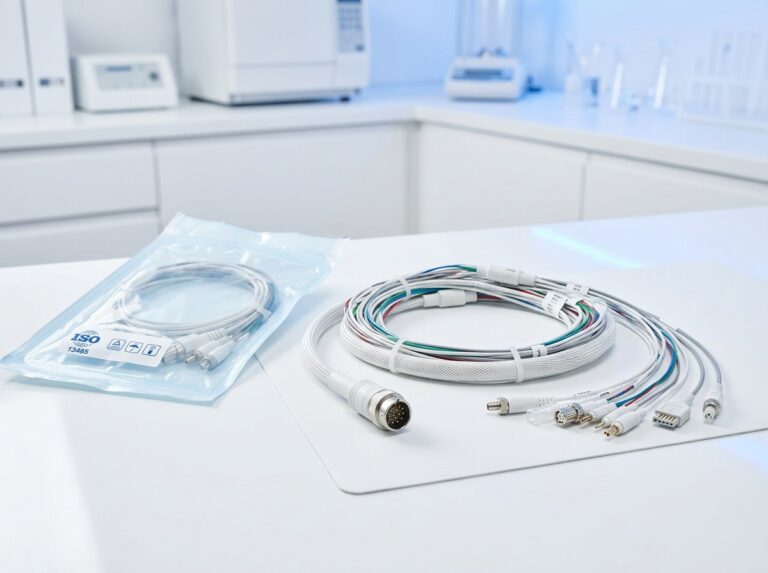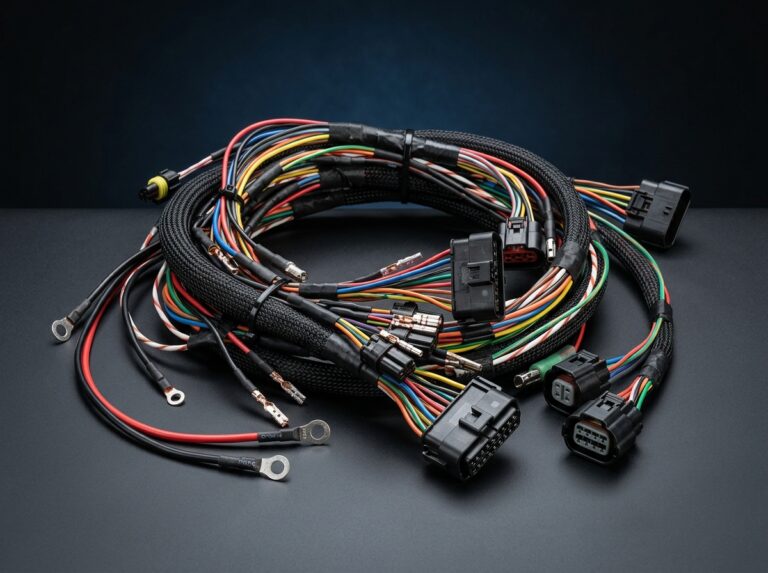
When replacing a damaged electrical system or upgrading a vehicle, buyers are often faced with a choice that significantly impacts their budget: buy from the dealer, or buy online. Exploring the differences between OEM and aftermarket wire harnesses reveals that while they may look similar on the outside, the engineering and manufacturing standards are often worlds apart.
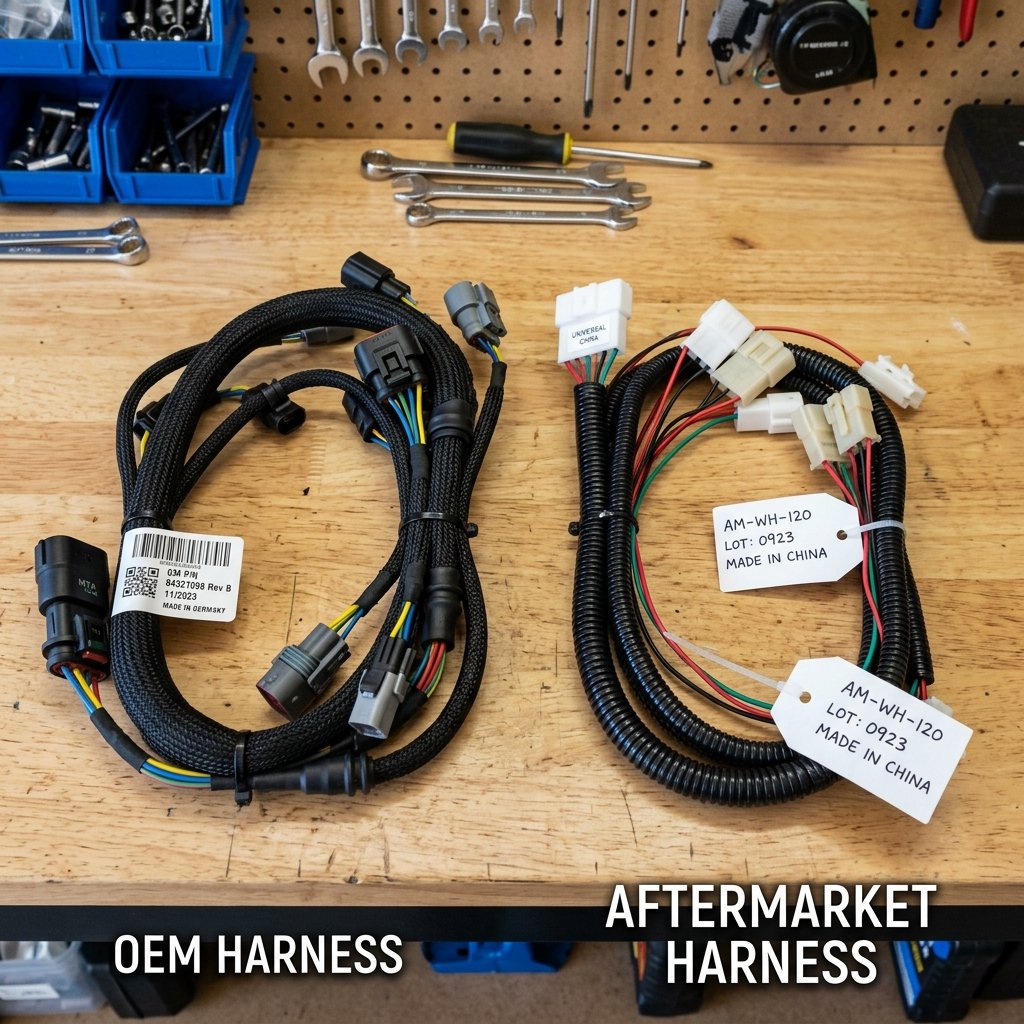
What is an OEM Wire Harness?
OEM stands for Original Equipment Manufacturer. This is the exact harness that was installed in your vehicle or machine on the factory assembly line. It was designed by the brand’s engineers and built to their exact, uncompromising specifications.
- Pros: Perfect fitment, exact wire length, proprietary connectors that match the vehicle perfectly, and extremely high-quality insulation materials (like Teflon or cross-linked polyethylene).
- Cons: They are significantly more expensive and often have long lead times if they are not in stock at the dealership.
What is an Aftermarket Wire Harness?
Aftermarket harnesses are produced by third-party wire harness manufacturers. They are designed to be compatible with the original system, but they are often engineered to a lower price point, sometimes using “universal” designs to fit multiple different vehicles.
- Pros: They are much cheaper and readily available. They are excellent for simple tasks like installing a new car stereo using an adapter harness.
- Cons: They often use lower-grade PVC wire, thinner copper, and generic connectors that might require modification.
The Hidden Differences
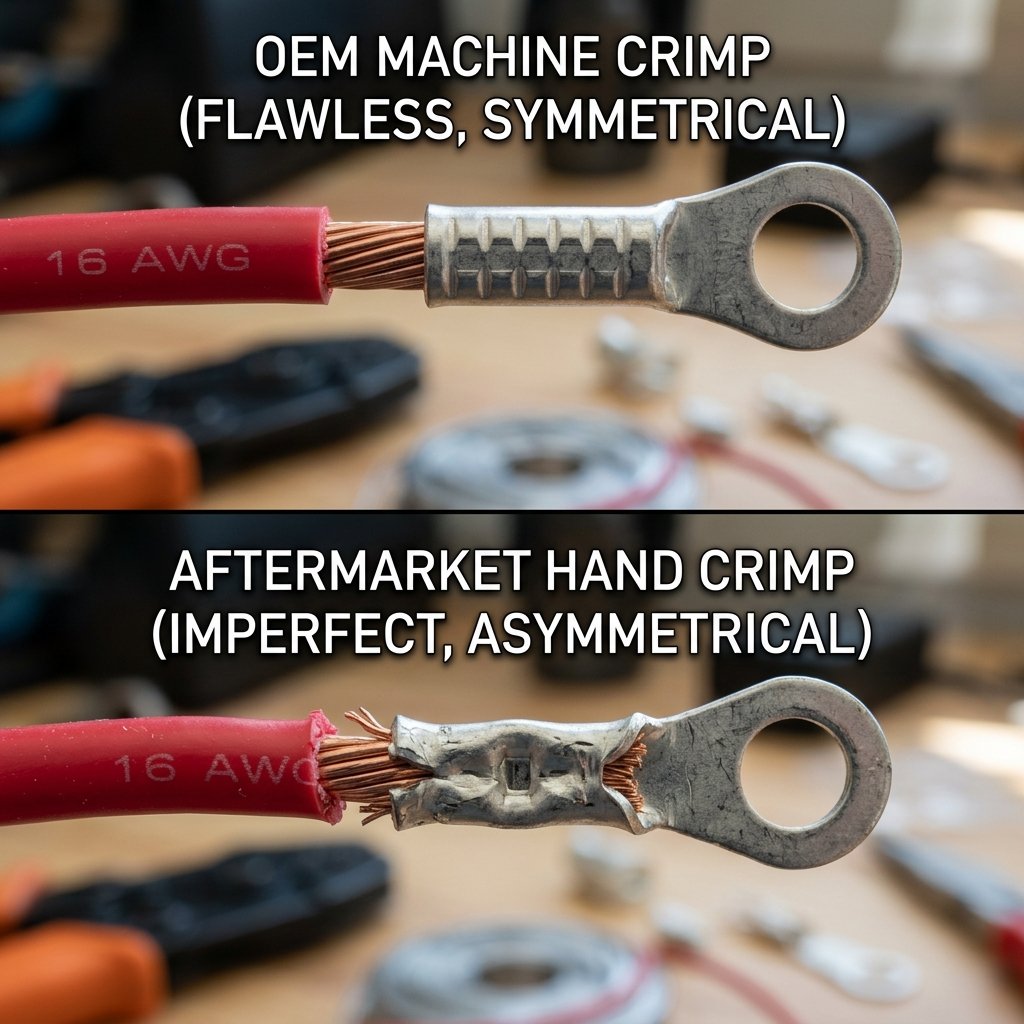
The most critical difference often lies in the assembly quality. OEM harnesses use highly calibrated, automated machines to cut, strip, and crimp the terminals. This ensures every wire crimp is mathematically perfect and can withstand years of vibration. Cheaper aftermarket harnesses are often hand-crimped in overseas factories with less stringent quality control, leading to a higher risk of terminals pulling out.
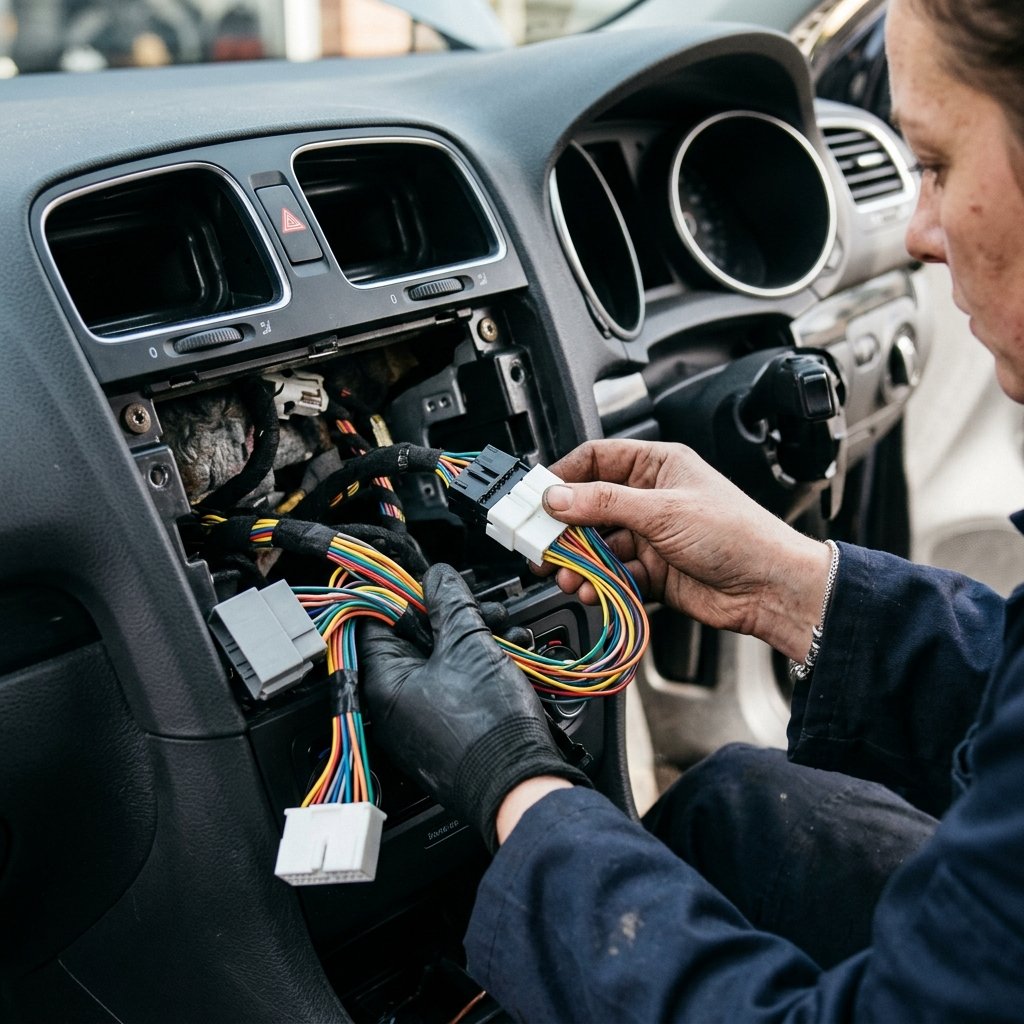
Cost is usually the deciding factor when choosing between OEM and aftermarket harnesses, but total cost of ownership matters more than the sticker price. A cheaper aftermarket harness that uses lower-grade insulation or generic connectors may need to be replaced within a few years, while an OEM-spec harness built to the original wire gauge, connector family, and routing is more likely to last the life of the vehicle or equipment. For safety-critical or warranty-covered systems, OEM-equivalent harnesses are almost always the safer choice.
For related reading, see our article on the benefits of twisted pair wiring in reducing electromagnetic interference. You can also learn more about our quality control process. These practices are consistent with standards such as ISO 9001.
Frequently Asked Questions
In the United States, the Magnuson-Moss Warranty Act prevents a dealer from voiding your entire warranty just because you used an aftermarket part. However, if the aftermarket harness causes a short circuit that damages the computer, they will not cover that specific repair.
No! There is a huge difference between a $15 generic harness from a random online seller and a premium aftermarket harness built by a reputable racing or performance company. Premium aftermarket harnesses often exceed OEM quality.
OEM harnesses almost always have a printed barcode label or a molded plastic tag featuring the manufacturer’s logo (e.g., Ford, GM, Honda) and the exact factory part number.