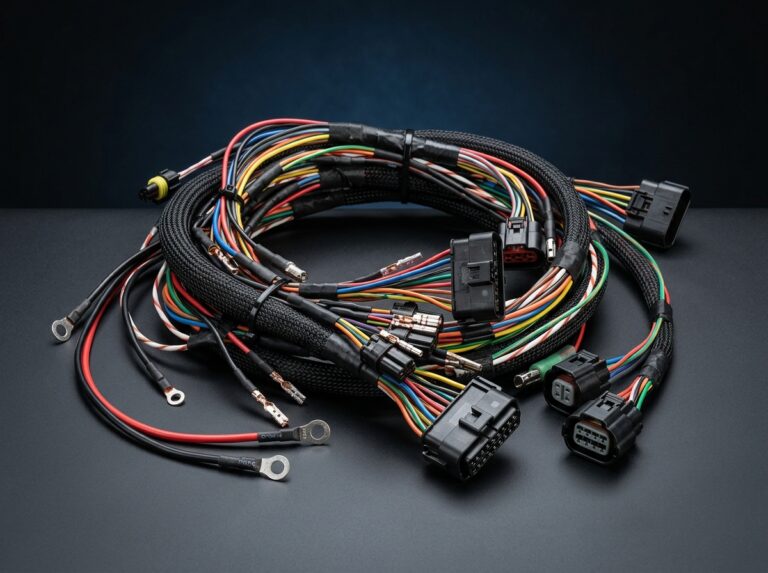
for wire harness management, engineers and hobbyists alike have many choices for protecting their wire bundles: electrical tape, heat shrink tubing, split loom, and solid extruded jackets. However, one material consistently stands out for its unique combination of extreme flexibility, aesthetic appeal, and robust protection: braided expandable sleeving.
Often referred to by brand names like Techflex, braided sleeving is woven from tough polymer monofilaments (usually PET, or Polyethylene Terephthalate). If you want your wire harness to look professional, breathe easily, and survive in dynamic environments, braided expandable sleeving is a must-have tool in your arsenal. Here are the top benefits of incorporating it into your designs.
1. Unmatched Expansion and Flexibility
The most defining characteristic of braided sleeving is its “Chinese finger trap” design. When you push the ends toward each other, the sleeving dramatically expands in diameter – often up to 150% of its original size.
This massive expansion ratio makes installation incredibly easy. You can effortlessly slide the sleeving over a long, bulky wire harness, even passing it cleanly over large, pre-installed plastic connectors. Once released, the sleeving contracts tightly around the wire bundle. Furthermore, because it is woven from hundreds of independent strands rather than extruded as a solid tube, braided sleeving maintains complete, fluid flexibility, allowing the harness to bend around tight corners without kinking.
2. Superior Heat Dissipation and Drainage
Solid plastic tubes (like corrugated split loom or thick heat shrink) trap everything inside them. If water or moisture enters a solid tube, it pools at the lowest point, promoting corrosion on the wires. Similarly, if you are running high-amperage power cables that generate heat, a solid plastic jacket acts as an insulator, trapping the heat and potentially leading to thermal failure.
Braided sleeving solves both of these problems instantly. Because it is a porous, open-weave mesh, it is highly breathable. Any water that splashes onto the harness immediately drains out and evaporates. High-amperage cables are allowed to “breathe,” dissipating their heat safely into the surrounding air while still remaining physically protected from abrasion.
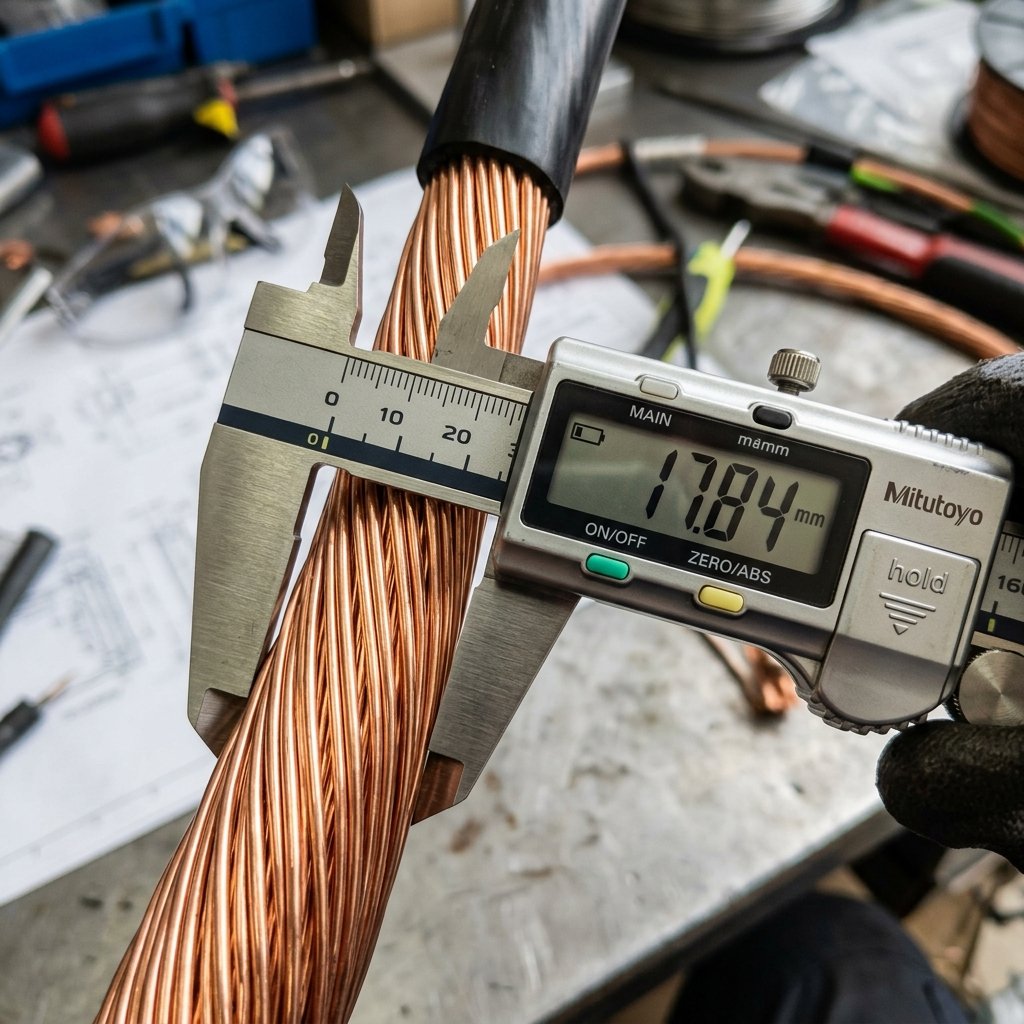
3. Extreme Abrasion and Cut Resistance
Don’t let the lightweight, fabric-like appearance fool you. High-quality PET monofilaments are incredibly tough. In automotive, aerospace, and robotics applications, wires are constantly vibrating against sharp metal chassis edges.
Braided sleeving acts as a sacrificial armor. The tough plastic strands deflect sharp edges and resist continuous chafing significantly better than soft PVC electrical tape or thin primary wire insulation. For extreme industrial environments, specialized sleeving woven from Kevlar or Nomex fibers can provide literal bulletproof cut resistance and fireproofing.
4. Professional Aesthetic Appeal
Let’s be honest: aesthetics matter. Whether you are building a custom high-performance PC, restoring a classic car, or showcasing a multi-million-dollar industrial machine to a client, a mess of multi-colored wires looks sloppy and amateurish.
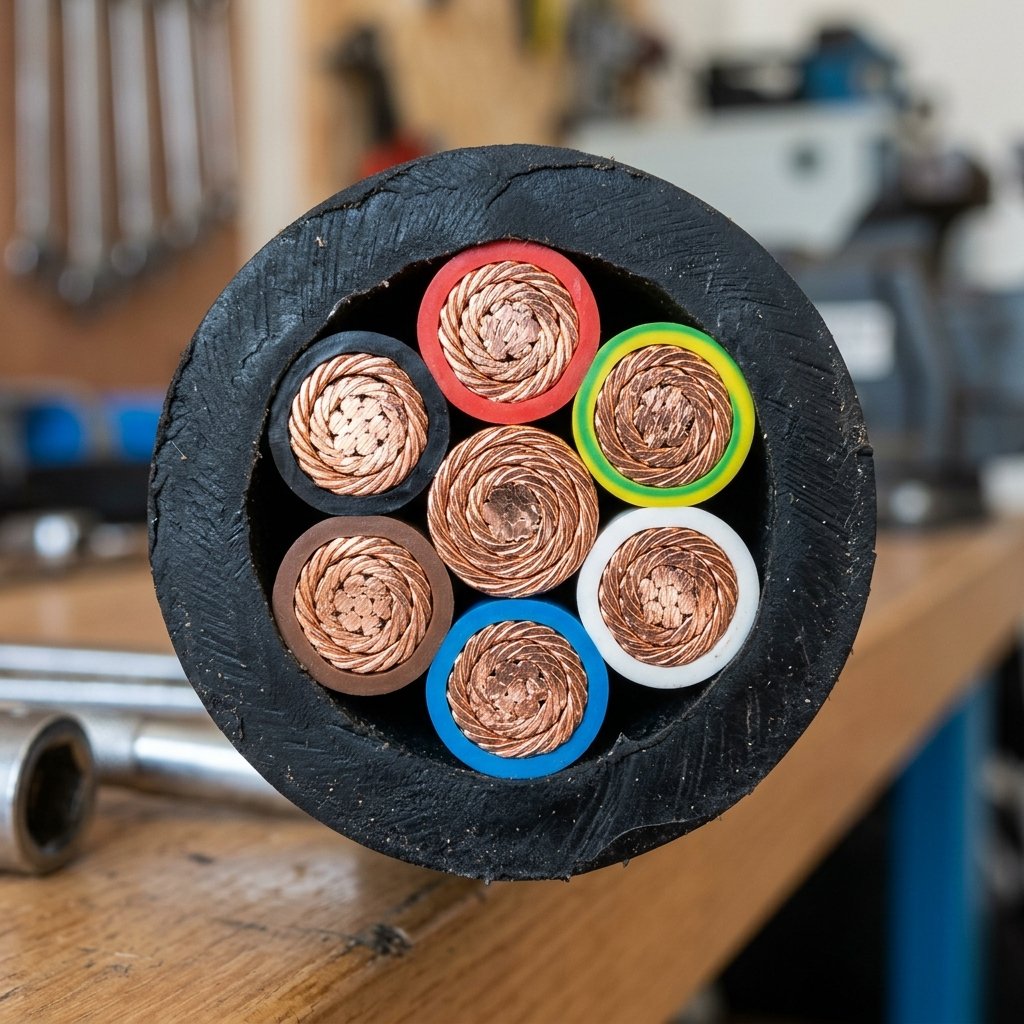
Braided sleeving instantly unifies a chaotic bundle of wires into a sleek, high-end, professional cable. It is available in hundreds of colors and patterns, allowing custom PC builders and automotive tuners to color-coordinate their wiring harnesses with the rest of their build, creating a visually striking final product.
For related reading, see our article on how to properly splice wires in an automotive harness. You can also learn more about our quality control process. These practices are consistent with standards such as ISO 9001.
Frequently Asked Questions
If you cut braided PET sleeving with regular scissors, it will immediately begin to fray and unravel. The only proper way to cut it is using a hot knife. The hot blade slices through the plastic while simultaneously melting and fusing the ends of the strands together, creating a clean, permanent edge.
Once the sleeving is pulled tight over your wire bundle, the most common and professional way to secure the ends is by slipping a short piece of adhesive-lined heat shrink tubing over the end of the braid and shrinking it down. This locks the braid in place and provides a clean transition to your connector.
No. By design, braided sleeving is an open mesh. It provides zero protection against liquid ingress. If your application requires the wires to be submerged or completely sealed from moisture, you must use solid, waterproof secondary jackets or adhesive-lined shrink tubing instead.