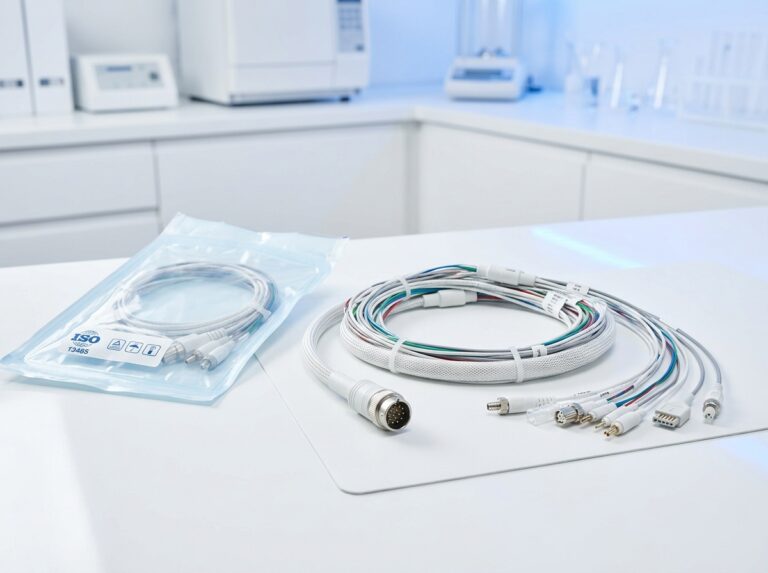
When bundling and protecting a custom electrical assembly, tape is often the go-to solution. However, not all electrical tape is created equal. Using standard vinyl tape in a hot engine bay or near industrial exhaust systems is a recipe for catastrophic failure. Within months, cheap tape will melt, unspool, and leave behind a sticky, useless mess.
If you want your wiring to survive the crucible of extreme temperatures, you must understand the different materials available. Here is a comprehensive guide on how to choose the right wire harness tape for high-heat environments, ensuring your harnesses remain secure, protected, and professional.
1. The Problem with Standard Vinyl (PVC) Tape
Standard PVC electrical tape is excellent for indoor, room-temperature applications like home wiring or interior dashboard harnesses. However, standard vinyl tape has a surprisingly low thermal limit – usually around 176°F (80°C).

In an automotive engine bay, temperatures regularly exceed 200°F (93°C). When exposed to these temperatures, the adhesive on standard vinyl tape completely liquefies. The tape loses its grip, slowly unwraps itself, and exposes the delicate primary wires beneath to chafing and radiant heat. For any high-heat application, standard PVC tape must be strictly avoided.
2. High-Temperature PVC Tape
If you prefer the smooth, conforming wrap of vinyl but need better thermal performance, high-temperature PVC tapes are available. These specialized tapes utilize advanced cross-linked adhesives and heat-stabilized vinyl backings.
- Temperature Rating: Typically rated for up to 221°F (105°C).
- Best Use Case: General engine compartment wiring that is not in direct proximity to the exhaust manifold or turbocharger. It provides excellent moisture sealing and chemical resistance against oil and coolant.
3. Cloth and PET Fleece Tapes (The OEM Standard)
If you look under the hood of any modern European or high-end vehicle, you will rarely see glossy vinyl tape. Instead, automotive manufacturers rely on woven cloth or PET (Polyethylene Terephthalate) fleece tapes.
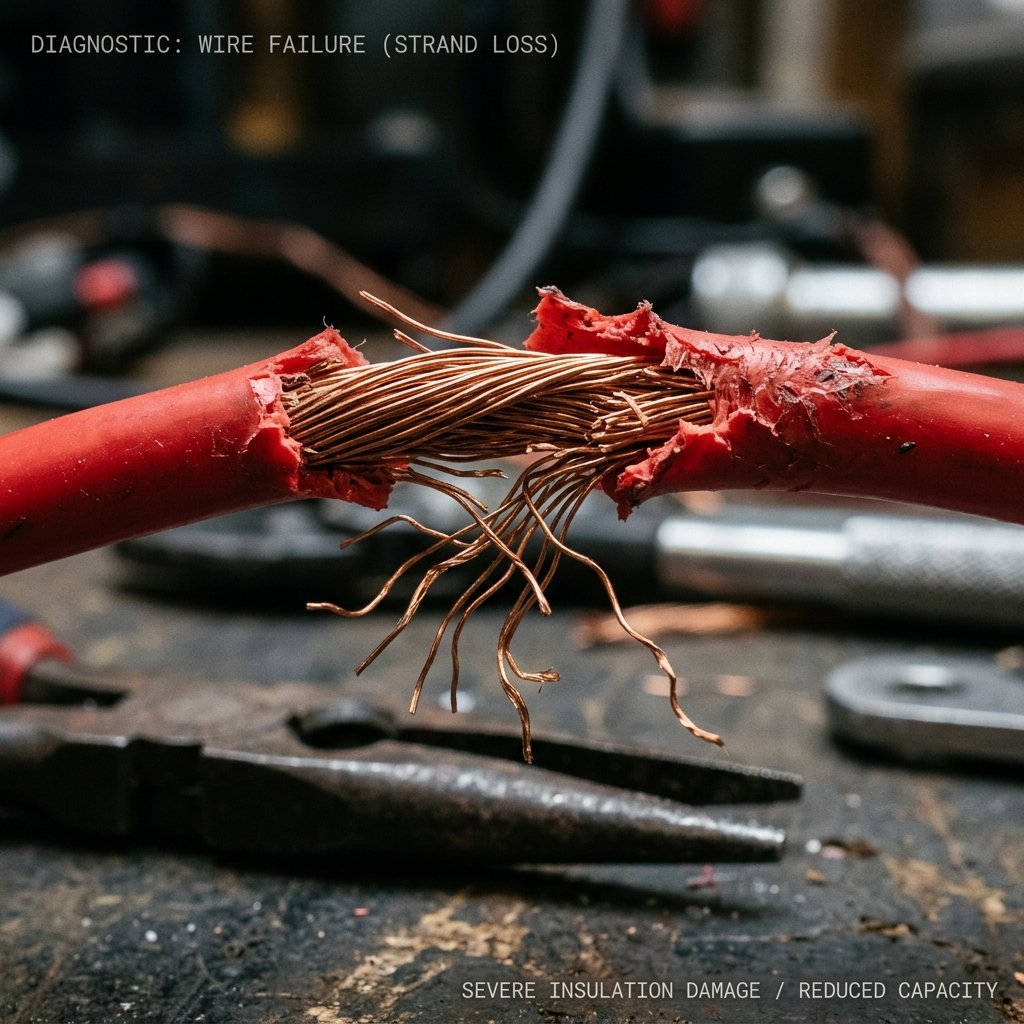
Why PET Fleece is Superior:
- Extreme Heat Resistance: High-quality PET fleece tapes are rated to withstand continuous temperatures of 257°F to 302°F (125°C to 150°C), making them ideal for harsh under-hood environments.
- Abrasion Protection: The woven fabric acts as a thick, physical cushion that dramatically outperforms thin vinyl when rubbed against sharp metal edges or vibrating plastic brackets.
- Noise Reduction (Anti-Rattle): Because the surface is soft and fuzzy, a harness wrapped in fleece tape will not rattle or click when vibrating against interior panels, making it crucial for modern NVH (Noise, Vibration, Harshness) standards.
- Permanent Adhesion: The strong rubber-based or acrylic adhesives used on cloth tapes cure over time, meaning they will never unspool or leave a gooey residue.
4. Fiberglass and Aluminum Foil Tapes
For the most extreme scenarios – such as wiring oxygen sensors, routing cables near exhaust headers, or aerospace applications – even PET fleece will burn. In these situations, radiant heat is the enemy.

For radiant heat up to 1000°F (537°C), engineers use specialized reflective tapes. These tapes typically feature a woven fiberglass backing coated with a highly reflective aluminum foil layer. The aluminum reflects up to 90% of radiant infrared heat away from the wire harness, while the fiberglass provides physical insulation. Note that these tapes are not usually used to bundle wires, but rather applied as a final outer shield over an already bundled harness.
Quick Step Guide
-
The Problem with Standard Vinyl (PVC) Tape
Standard PVC electrical tape is excellent for indoor, room-temperature applications like home wiring or interior dashboard harnesses. However, standard vinyl tape has a surprisingly low thermal limit – usually around 176°F (80°C).
-
High-Temperature PVC Tape
If you prefer the smooth, conforming wrap of vinyl but need better thermal performance, high-temperature PVC tapes are available. These specialized tapes utilize advanced cross-linked adhesives and heat-stabilized vinyl backings.
-
Cloth and PET Fleece Tapes (The OEM Standard)
If you look under the hood of any modern European or high-end vehicle, you will rarely see glossy vinyl tape. Instead, automotive manufacturers rely on woven cloth or PET (Polyethylene Terephthalate) fleece tapes.
-
Fiberglass and Aluminum Foil Tapes
For the most extreme scenarios – such as wiring oxygen sensors, routing cables near exhaust headers, or aerospace applications – even PET fleece will burn. In these situations, radiant heat is the enemy. For radiant heat up to 1000°F (537°C), engineers use specialized reflective tapes.
For related reading, see our article on a beginner’s guide to understanding awg. You can also learn more about our custom wire harness products. These practices are consistent with standards such as ISO 9001.
Frequently Asked Questions
No. Traditional friction tape is made of cloth impregnated with a sticky rubber compound on both sides. While it provides good mechanical protection, it has very poor electrical insulating properties and dries out over time. Modern PET fleece tape is infinitely superior.
The industry standard is a 50% overlap. This means that as you wrap the tape around the wire bundle, each new pass covers half of the previous pass. This provides a double-layer of protection across the entire length of the harness.
Yes, but you must choose the correct type. Tesa makes various automotive tapes. Tesa 51608 (fuzzy fleece) is for interior use (noise reduction). For high-heat engine bays, you should use Tesa 51036 (advanced PET cloth), which is rated for 150°C and excellent abrasion resistance.