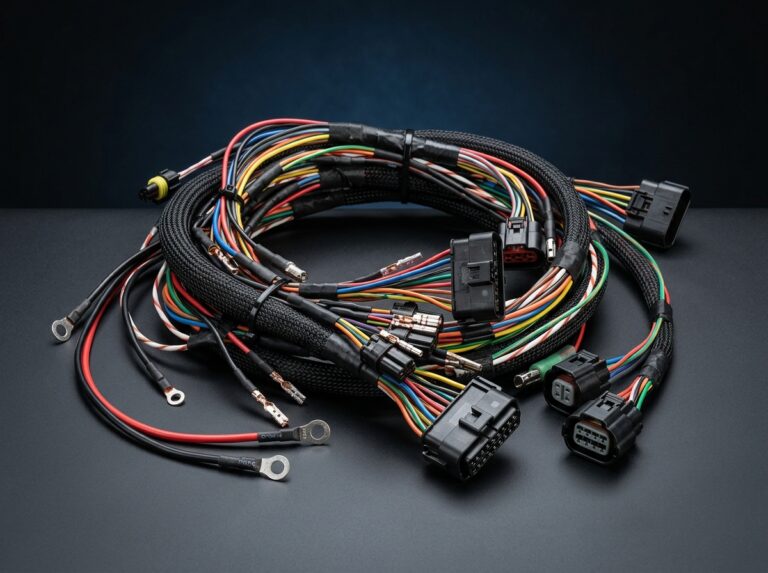
When discussing environmental hazards in electrical design, heat is usually the primary focus. We worry about melting insulation and overloaded circuits. However, extreme cold presents a uniquely destructive set of challenges for wire harnesses – challenges that can literally shatter a perfectly functioning electrical system in seconds.
Whether you are designing harnesses for snowmobiles, high-altitude aerospace applications, or heavy equipment operating in the Arctic, understanding the impact of freezing temperatures on wire harness flexibility is absolutely vital for preventing catastrophic failures.
1. The Brittle Point of Polymers
All plastic and rubber insulating materials have a “brittle point” (or glass transition temperature). At normal room temperatures, the polymers in wire insulation are flexible and elastic. As the temperature drops, these polymer chains slow down and lock together, causing the material to stiffen.
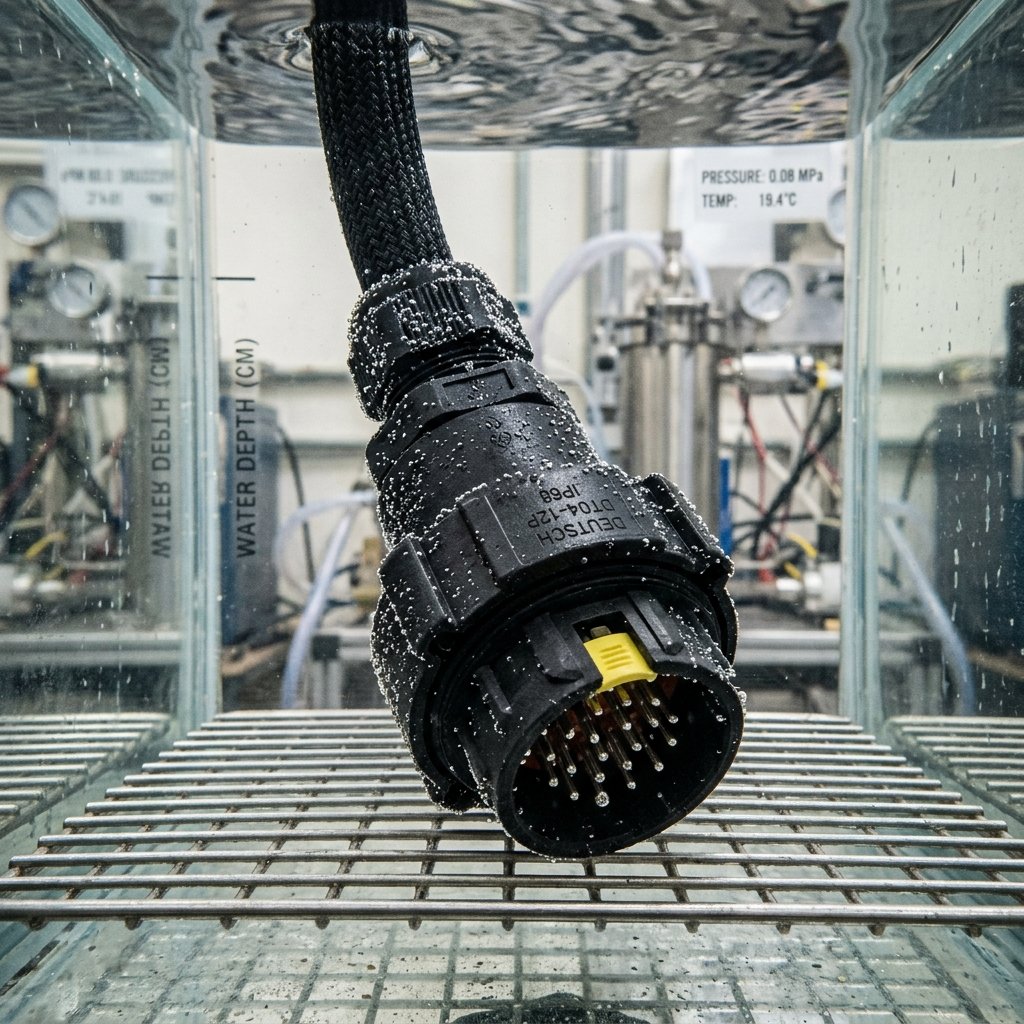
If the temperature drops below the material’s specific brittle point, it loses all elasticity and behaves like glass. If a wire harness in this state is subjected to a sudden physical impact, vibration, or bending force, the insulation will simply shatter, crack, and flake off, leaving the bare copper wires completely exposed to the elements and short-circuiting against the nearest metal chassis.
2. How Standard Materials Fail in the Cold
The most common insulation material in the world is standard Polyvinyl Chloride (PVC). It is cheap, highly durable, and excellent for indoor use. However, standard PVC is notoriously poor in cold environments. Its flexibility begins to severely degrade around 0°C (32°F), and it can reach its brittle point at just -20°C (-4°F).
Imagine a standard PVC wire harness routing through the pivoting arm of a snowplow operating in -30°C weather. As the arm bends, the frozen PVC jacket will fracture instantly, destroying the harness.
3. Choosing Cold-Weather Insulation Materials
To survive extreme cold, engineers must select specialized polymers designed to retain flexibility at sub-zero temperatures. Here are the top choices:
- Silicone Rubber: The undisputed king of extreme temperature flexibility. High-quality silicone wire remains incredibly soft and flexible even at -60°C (-76°F). However, silicone has low cut-resistance, so it requires a secondary protective jacket in high-abrasion areas.
- Polyurethane (PUR): Excellent for outer jackets in cold environments. PUR remains highly flexible down to -40°C while maintaining exceptional resistance to tearing, oils, and physical abrasion.
- TPE (Thermoplastic Elastomer): A rubber-like plastic that performs very well in the cold (down to -50°C) and is widely used in harsh-environment industrial power cables.
- Cold-Weather PVC: Specially formulated PVC blends that include specialized plasticizers to lower the brittle point to around -40°C, offering a cost-effective compromise for moderate winter applications.
4. The Impact on Copper Conductors
It is worth noting that cold temperatures actually improve the electrical conductivity of copper. The colder the copper gets, the less resistance it has, allowing it to carry current more efficiently.
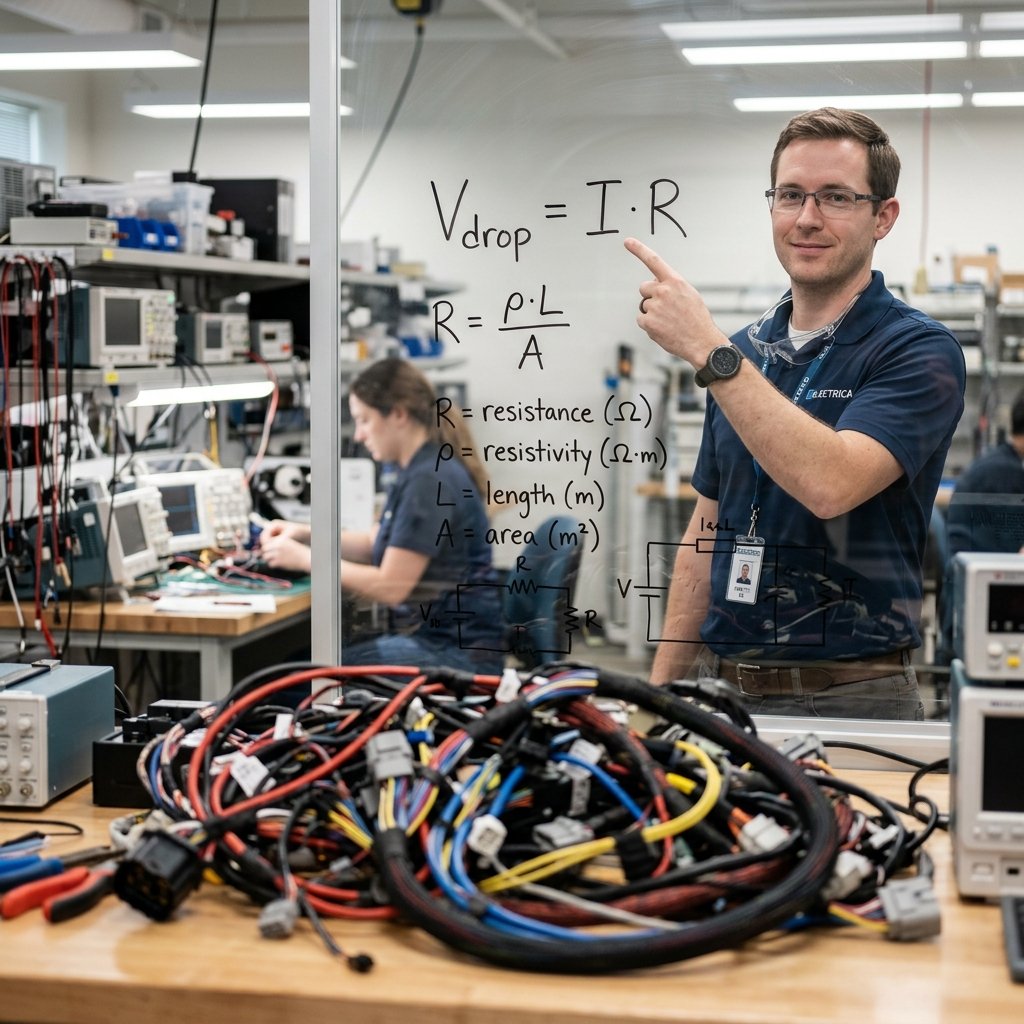
However, the physical stiffness affects the copper as well. In extreme cold, even a high-strand-count copper core becomes slightly stiffer. But the primary danger remains the mechanical failure of the outer plastic insulation. If the insulation cracks, moisture from melting snow or ice will immediately enter the crack, leading to rapid galvanic corrosion and electrical shorts.
For related reading, see our article on how to properly splice wires in an automotive harness. You can also learn more about our quality control process. These practices are consistent with standards such as ISO 9001.
Frequently Asked Questions
Yes. Standard nylon zip-ties become extremely brittle in freezing temperatures and will snap easily under vibration. For cold-weather applications, you must use specialized “Cold Weather” or stainless steel zip-ties to secure your harnesses.
Installation should always be done at room temperature whenever possible. Bending and routing a freezing cold harness during installation is a massive risk, as you might micro-fracture the insulation before the machine is even turned on. Warm the harness up before installing it.
Standard vinyl electrical tape becomes stiff, refuses to stretch, and its adhesive fails completely in the cold. If you must tape a harness in sub-zero temperatures, use a specialized all-weather rubber splicing tape or, ideally, avoid tape altogether and use cold-rated heat shrink tubing.