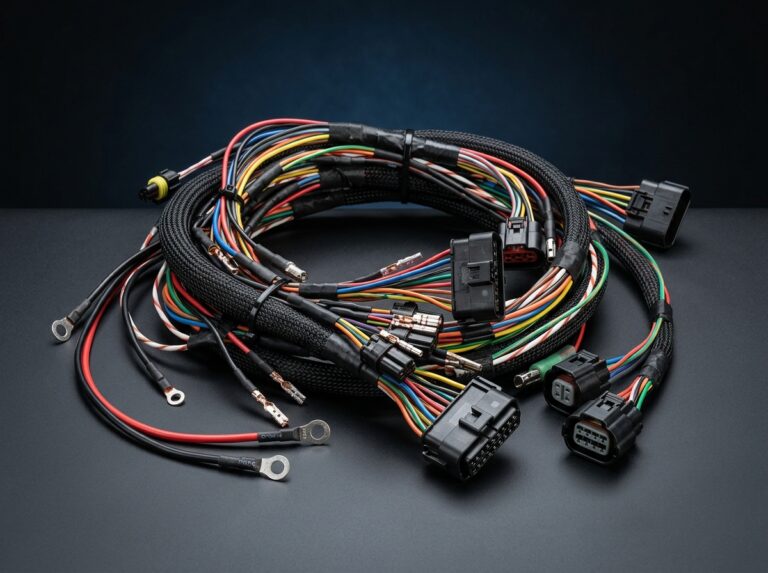
The copper core of a wire dictates how much electricity it can carry, but the plastic jacket surrounding it determines where that wire can safely survive. Exploring different types of wire insulation materials is a critical step in wire harness design, as choosing the wrong material can lead to catastrophic electrical fires.
While there are dozens of specialized plastics, the vast majority of wire harnesses rely on three main materials: PVC, PTFE, and Silicone.
1. PVC (Polyvinyl Chloride): The Industry Standard
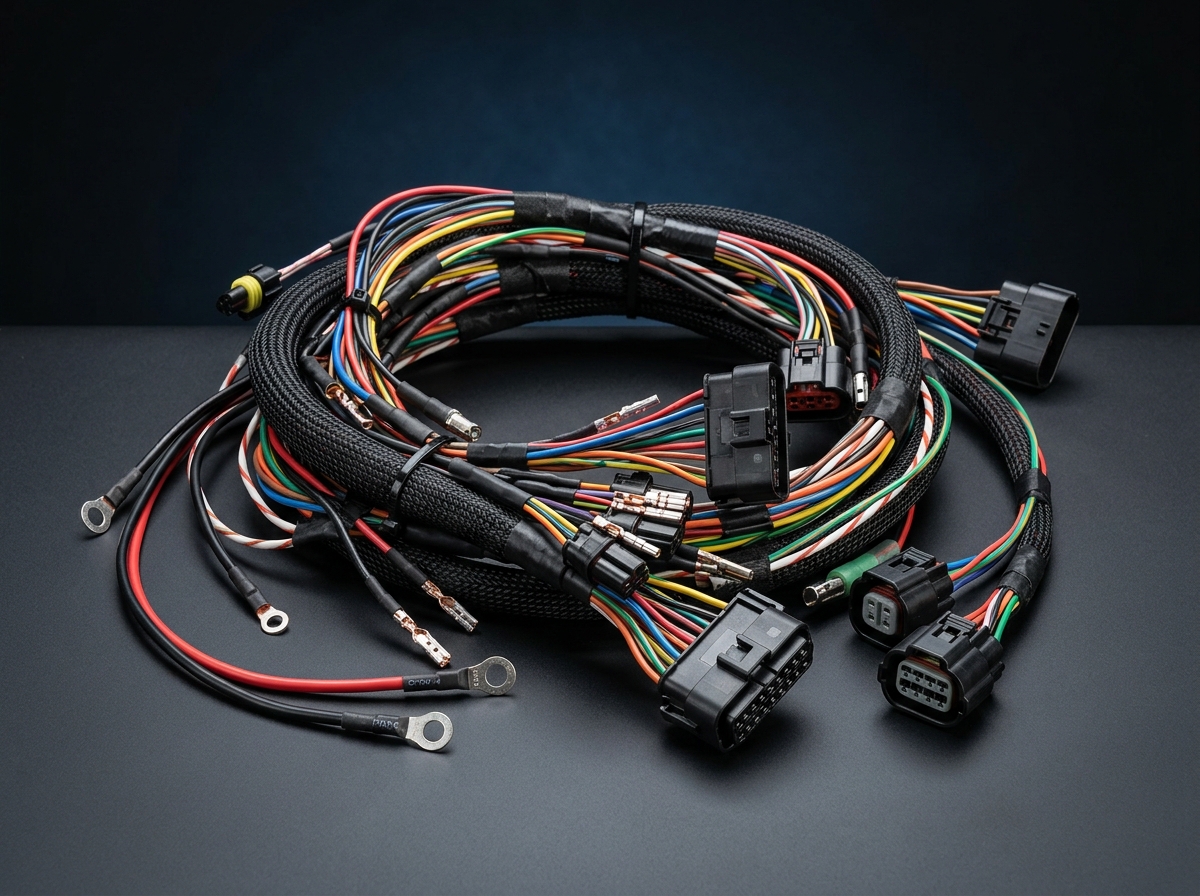
PVC is by far the most common insulation material in the world. It is the standard for consumer electronics, residential wiring, and general automotive harnesses (like TXL or GXL wire).
- Pros: Very inexpensive, easy to strip, highly resistant to oils and gasoline, takes color dyes exceptionally well (vibrant colors).
- Cons: Limited temperature range. Standard PVC begins to melt around 185°F (85°C) and becomes dangerously brittle in freezing temperatures. When it burns, it releases toxic chlorine gas.
2. PTFE (Teflon): The Aerospace Champion
PTFE, famously known by the brand name Teflon, is an advanced fluoropolymer used in aerospace, military, and high-performance racing harnesses (like Mil-Spec M22759 wire).
- Pros: Extreme temperature resistance. It can easily survive continuous temperatures up to 392°F (200°C) and briefly survive direct flame. It is also practically immune to all known solvents and chemicals. It is very thin, reducing the overall weight of the harness.
- Cons: Very expensive. It is also notoriously difficult to strip mechanically without nicking the wire because the insulation is so incredibly tough. It often requires thermal stripping tools.
3. Silicone: Extreme Flexibility
Silicone rubber insulation is the go-to choice for robotics, 3D printers, and RC hobbyists where wires must bend millions of times without fatiguing.
- Pros: Unmatched physical flexibility. It is soft to the touch and can be tied in knots. It also boasts excellent high-temperature resistance, similar to PTFE.
- Cons: Terrible mechanical strength. Silicone is easily cut or torn by sharp metal edges. It also swells when exposed to oils or gasoline, making it unsuitable for under-hood automotive applications unless protected by an outer sheath.
- Related reading: Learn more about wire gauge
- Related reading: Learn more about extreme temperature
- Related reading: Learn more about connectors
Selecting between PVC, PTFE, and silicone insulation usually comes down to balancing temperature range, flexibility, and cost against the demands of the application. PVC is the most economical option and performs well across a wide range of general-purpose applications, but it becomes stiff in cold temperatures and has a comparatively low maximum operating temperature. PTFE offers excellent chemical resistance and can handle much higher temperatures, making it common in aerospace and high-heat automotive applications, while silicone insulation stays flexible even in extreme cold and offers strong resistance to UV and ozone exposure, which is valuable for harnesses installed outdoors or in engine bays.
For related reading, see our article on the impact of extreme temperatures on wire harness performance. You can also learn more about our quality control process. These practices are consistent with standards such as ISO 9001.
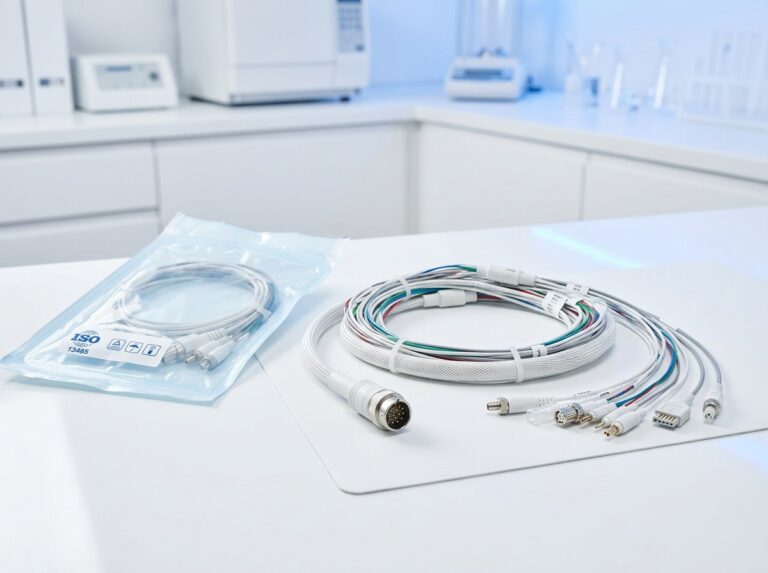
Insulation choice becomes critical under repeated autoclave cycles, as in our Sterilizable Surgical Equipment Wiring Harness.
Frequently Asked Questions
Cross-linking is a chemical process (often using radiation) that alters the molecular structure of standard polyethylene or PVC. This greatly increases the insulation’s resistance to melting and abrasion, making cross-linked wires (like TXL) the standard for modern engine bays.
Yes, and engineers frequently do. You might use expensive PTFE wires for the sensors located directly on the hot exhaust manifold, but transition to cheaper PVC wires once the harness routes into the cooler passenger cabin.
Yes. Thicker insulation provides higher voltage ratings (e.g., 600V vs. 300V) and better physical abrasion resistance, but makes the wire much stiffer and heavier. Automotive wire (TXL) uses extra-thin insulation to save space and weight.