Overview
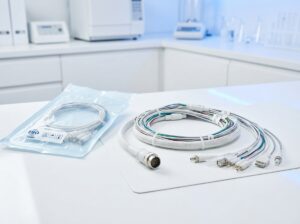
Surgical and handpiece equipment places different demands on a harness than bench-top diagnostics: repeated steam autoclave or EtO sterilization, tighter bend radii near the instrument, and connectors that seal against fluid ingress in the OR. This assembly line is built specifically around that use case.
Design & Construction
Autoclave-Rated Materials
Silicone and FEP insulation are used for their stability across repeated 134°C steam autoclave cycles, avoiding the embrittlement that standard PVC jacketing shows after multiple sterilization runs.
Sealed Connector Interfaces
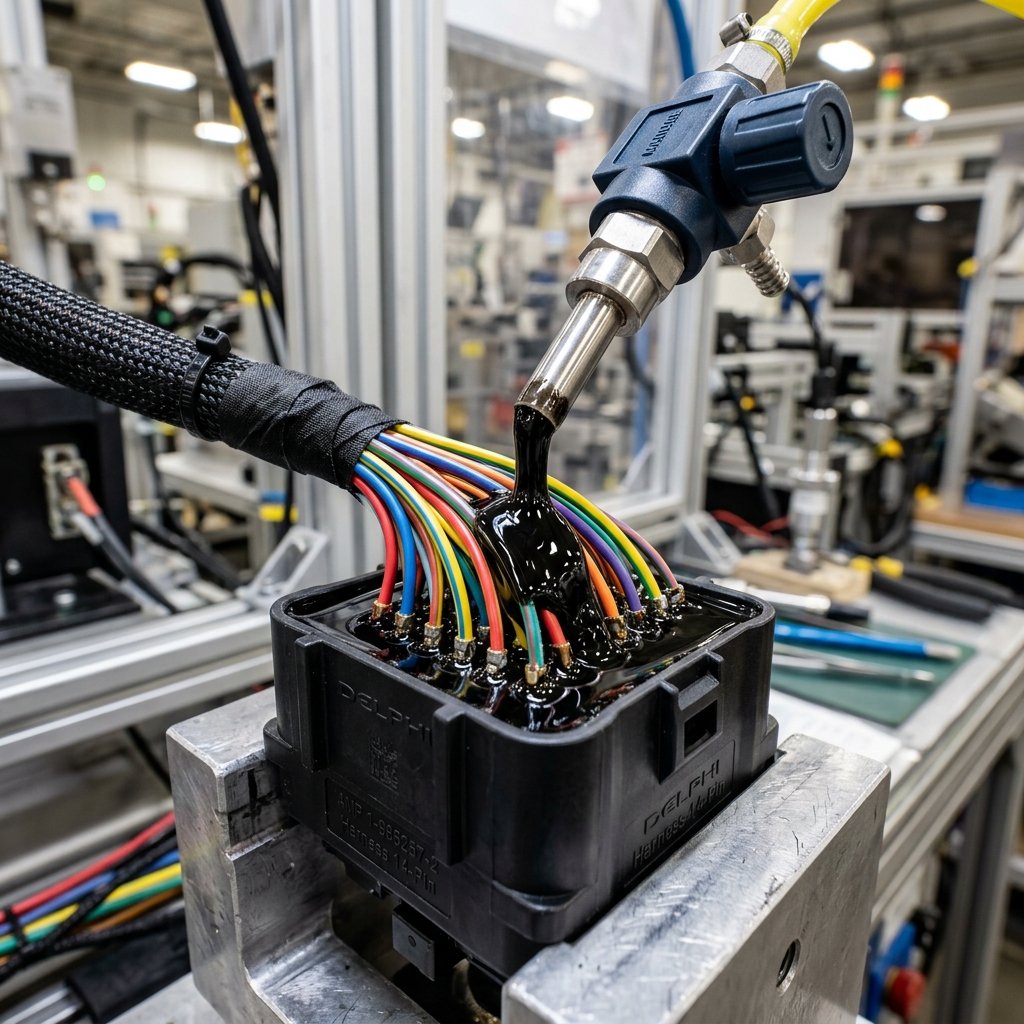
Handpiece-side connectors are sealed to IP68 to withstand immersion cleaning between procedures, with locking mechanisms rated for the higher insertion-cycle counts typical of surgical suite equipment.
Manufacturing Process
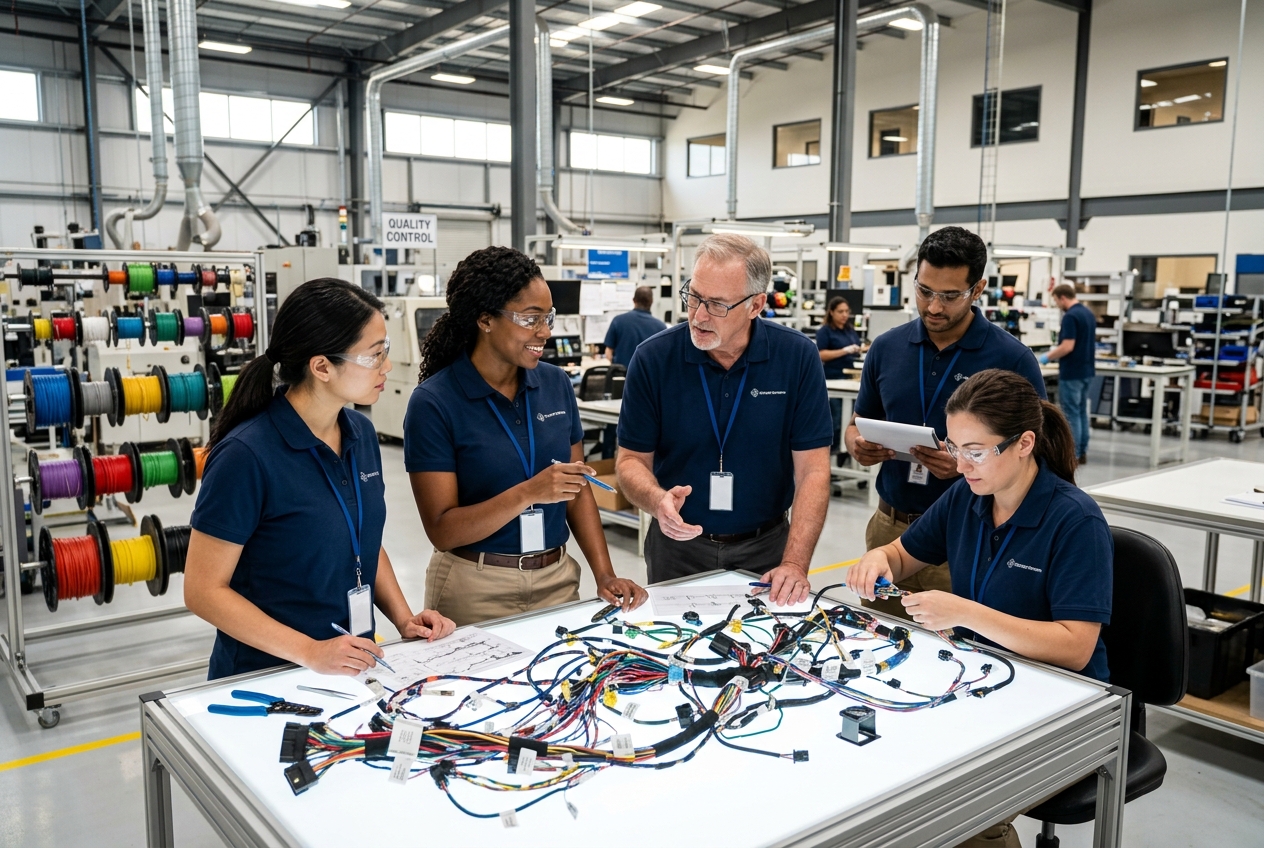
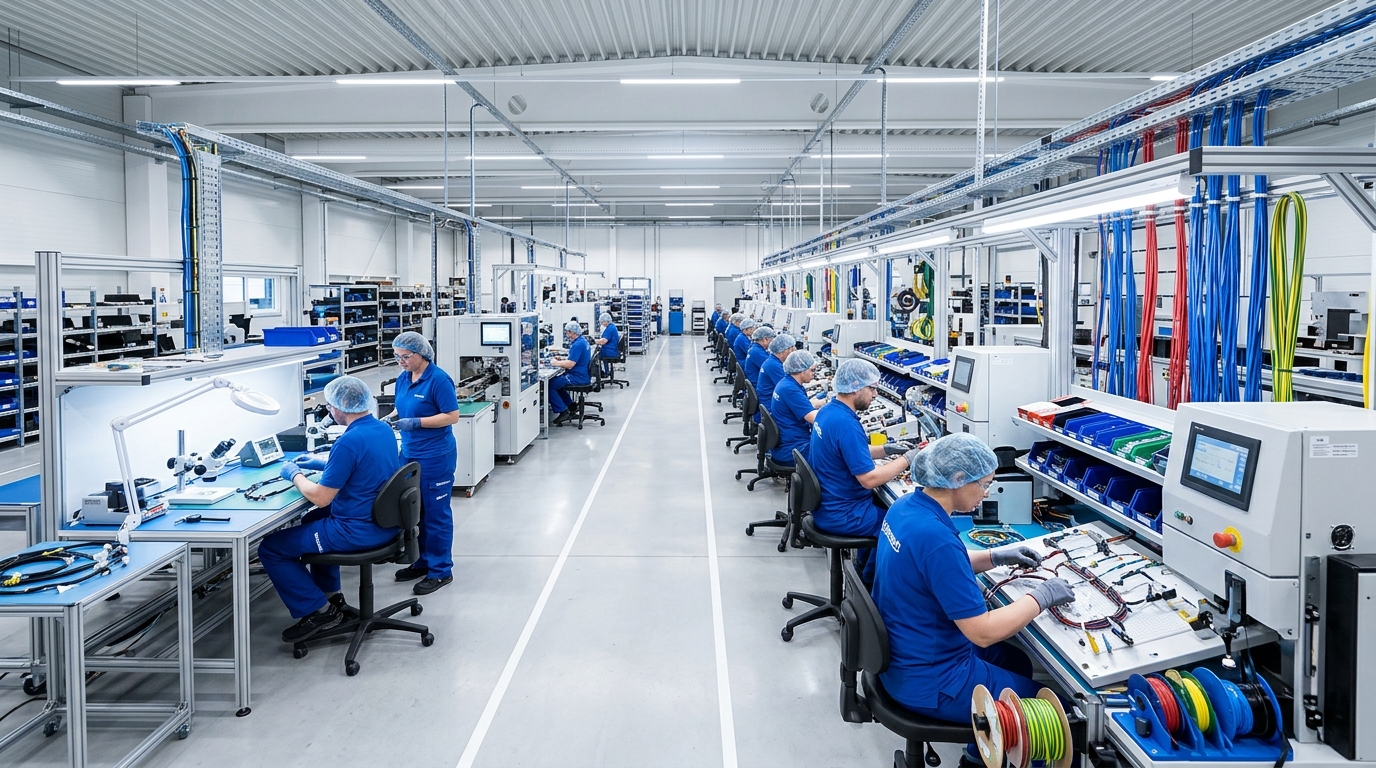
Assembly happens in the same segregated Medical Division cleanroom used for our diagnostic-equipment harnesses, with lot-controlled silicone and FEP material and finished-unit dielectric testing before packing.
Typical Applications
- Powered surgical handpieces and drills
- Electrosurgical unit (ESU) cabling
- Endoscopy and minimally invasive equipment
- Sterilizable connector cables for OR equipment carts
- Reusable diagnostic probe cabling
Common installations include Powered surgical handpieces and drills, Electrosurgical unit (ESU) cabling, and Endoscopy and minimally invasive equipment, where biocompatibility, electrical safety, and continuous fail-safe operation are the primary design drivers. The same base design can also be adapted for Sterilizable connector cables for OR equipment carts and Reusable diagnostic probe cabling with minor changes to connector type or cable length.
Technical Specifications
Standard configurations are available with the following technical specifications; custom configurations outside these ranges can be discussed with our engineering team. Wire Gauge: AWG 32 – 16. Conductor Count: 2 – 32 conductors. Insulation: Silicone / FEP, autoclave-rated. Sterilization: Steam autoclave (134°C) and EtO compatible. Temp Range: -20°C to +134°C. IP Rating: IP68 (handpiece connectors). Biocompatibility: ISO 10993-5/-10 data available.
Quality & Certification
Built under ISO 13485:2016 with ISO 9001:2015 process controls, and IEC 60601-1 compatible construction. ISO 10993-5/-10 biocompatibility data is available for patient- and instrument-contact materials on request.
Customization & Lead Time
Standard lead time for the Sterilizable Surgical Equipment Wiring Harness is 5–7 weeks prototype, 3 weeks production. Connector type, cable length, and conductor configuration can be customized to match your exact application, including connector type, cable length, and sterilization compatibility to match your device’s specific design requirements. Contact our engineering team with your drawings or requirements for a project-specific quote.
Why XinHarness
Sterilization compatibility is validated at the material level before a harness design is released to production, not just assumed from a datasheet. See our broader capability on the Medical industry page, or request a quote for your project. For related technical background, see our article on the role of potting and conformal coating in wire harnesses.
Frequently Asked Questions
Medical assemblies including the Sterilizable Surgical Equipment Wiring Harness are manufactured under ISO 13485 quality management for medical device manufacturing.
Yes, biocompatible and autoclave-sterilizable materials are available depending on the application and device contact requirements.
Yes, connector type, cable length, shielding, and sterilization compatibility can all be tailored to your specific medical device requirements — share your design specifications for a custom quote.