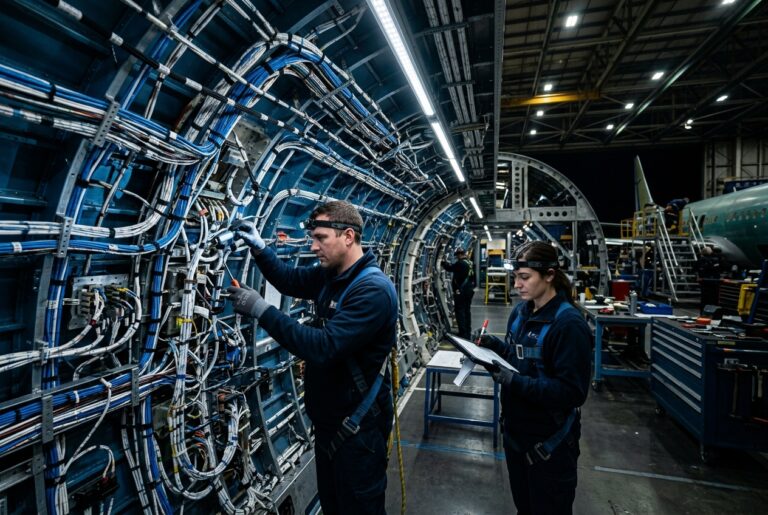
Water and electricity do not mix. In automotive, marine, and outdoor industrial environments, moisture is the absolute worst enemy of an electrical system. If water breaches a wire harness connector, it causes rapid galvanic corrosion, leading to intermittent faults and eventual complete failure. Knowing how to select the right wire harness connectors for waterproof applications is a critical engineering skill.
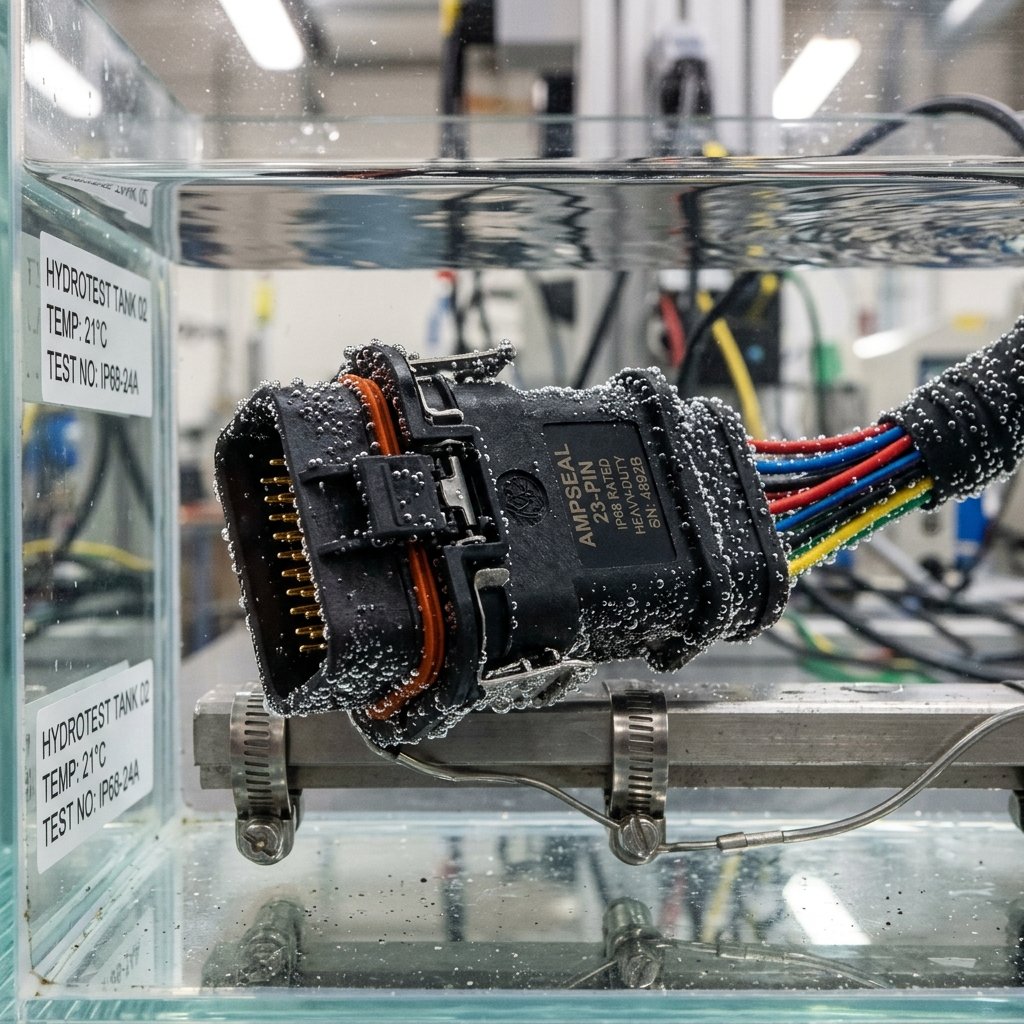
Understanding IP Ratings
Waterproof connectors are graded using the Ingress Protection (IP) rating system. This is a two-digit number (e.g., IP67). The first digit indicates protection against solid dust (6 is the maximum, meaning completely dust-tight). The second digit indicates protection against water:
- IP65: Protects against low-pressure water jets (rain or splashing).
- IP67: Protects against temporary immersion in water up to 1 meter deep for 30 minutes. (Standard for most high-end automotive connectors).
- IP68: Protects against continuous, deep submersion underwater. (Required for marine sensors and well pumps).
How-To: Choose a Waterproof Connector
Follow these steps to ensure you select the proper watertight seal for your application:
-
Assess the Environment
Will the connector be splashed with rain, or fully submerged in a bilge pump? Select the IP rating accordingly (IP67 vs IP68).
-
Check the Mating Seal
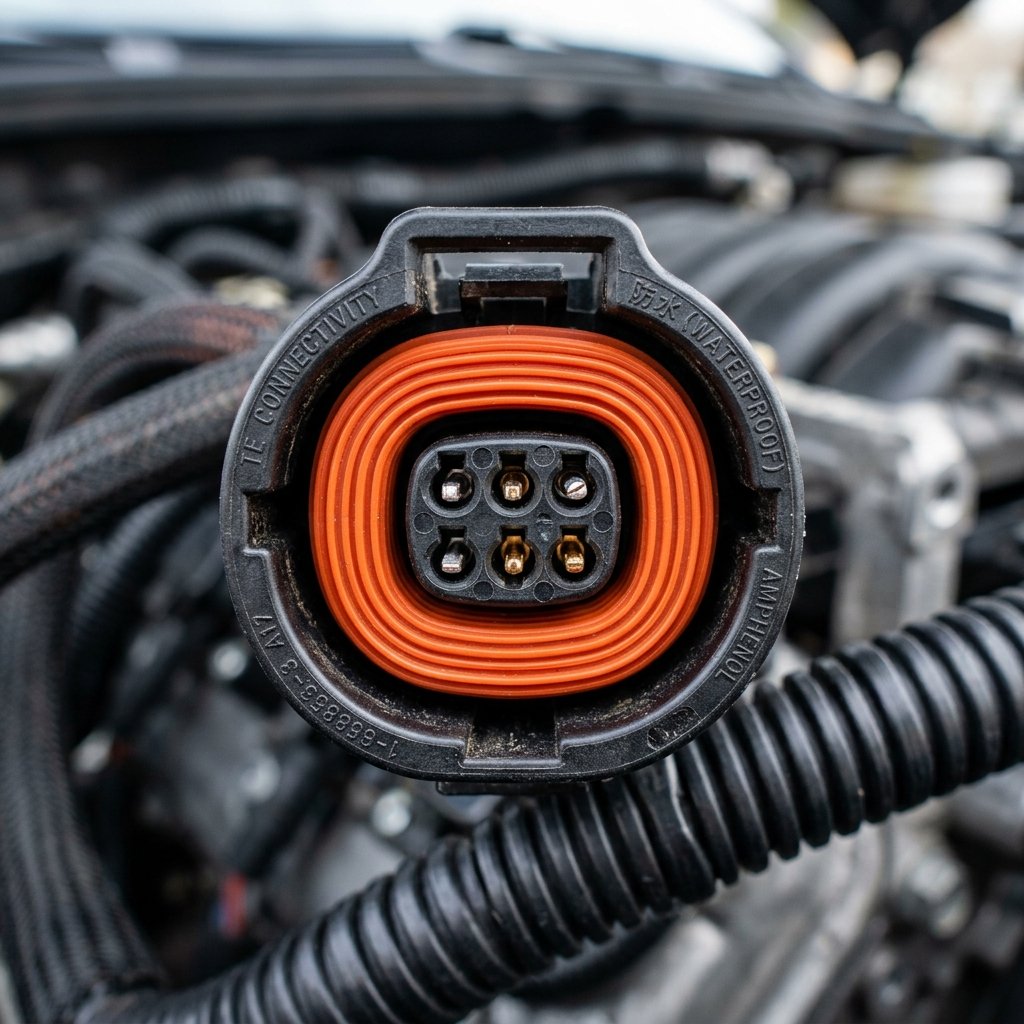
A true waterproof connector will have a ribbed silicone or rubber perimeter seal (often brightly colored) that compresses when the two halves of the connector are locked together.
-
Verify the Wire Seals
Water can also travel down the outside of individual wires into the back of the connector. Ensure the connector uses individual silicone wire seals (sometimes called cable seals) where each wire enters the plastic housing.
-
Consider Potting
For ultimate IP68+ protection where repairability is not required, consider completely potting the connector with epoxy resin instead of relying on rubber gaskets.
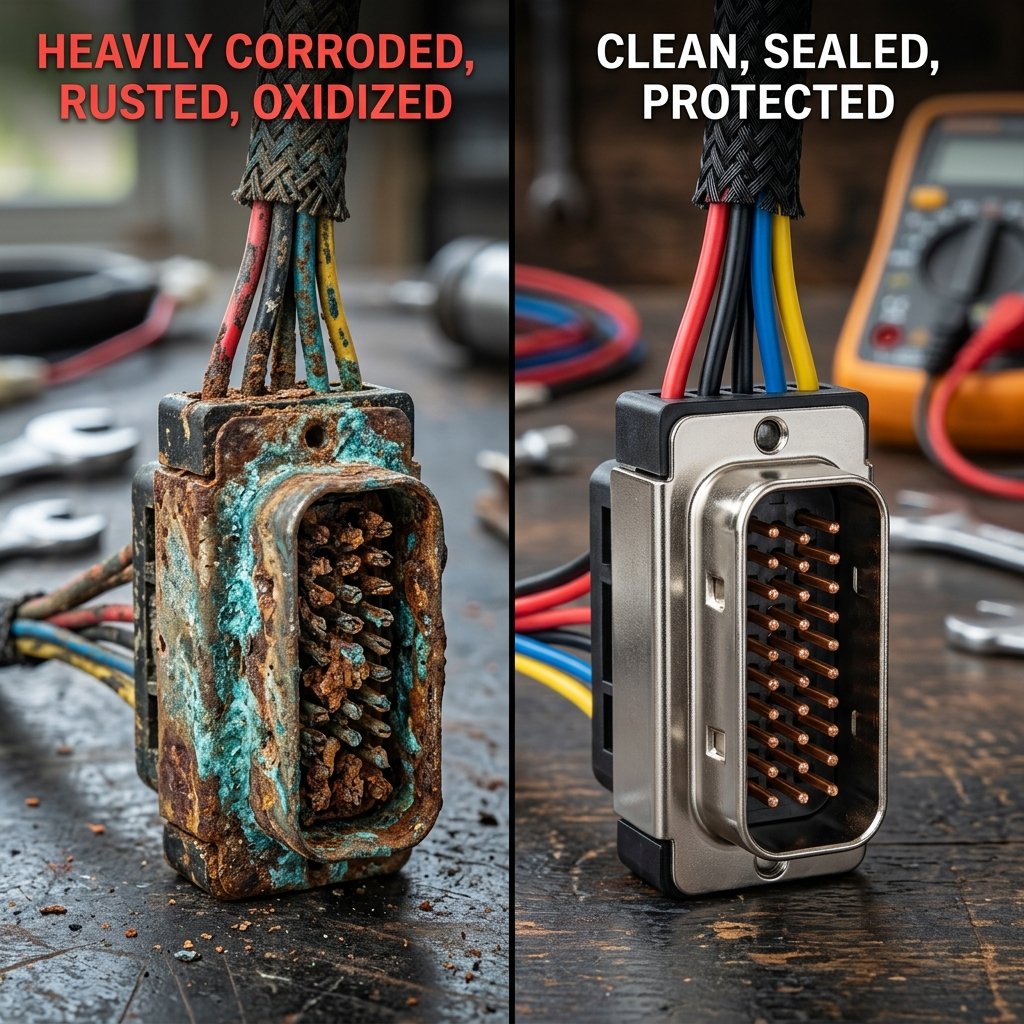
Beyond the connector housing itself, the seal at the wire entry point is often the weakest link in a waterproof design. Single-wire seals, mat seals, and silicone grommets each perform differently depending on wire gauge and bundle diameter, so it’s important to match the seal type to the actual cable being used rather than relying on the connector’s rated IP class alone. A correctly rated connector paired with an undersized or mismatched wire seal can still fail a water ingress test in the field.
For related reading, see our article on the impact of extreme temperatures on wire harness performance. You can also learn more about our manufacturing capabilities. These practices are consistent with standards such as ISO 9001.
For a connector system engineered from the ground up for full waterproof performance, see our IP68 Marine-Grade Wiring Harness Assemblies.
Frequently Asked Questions
No. Dielectric grease helps prevent corrosion by displacing small amounts of moisture and oxygen, but it cannot stop pressurized water from entering a non-sealed connector. It is not a substitute for a physical rubber gasket.
Yes. If water enters an unsealed splice halfway down the harness, capillary action can “wick” the water underneath the insulation all the way down into a sealed connector. This is why every part of the harness must be protected, a common cause of wire harness failure .
No. Connectors located inside the dry cabin of a vehicle (like behind the dashboard) are usually unsealed to save cost and space. Only connectors in the engine bay, doors, and chassis are waterproof.